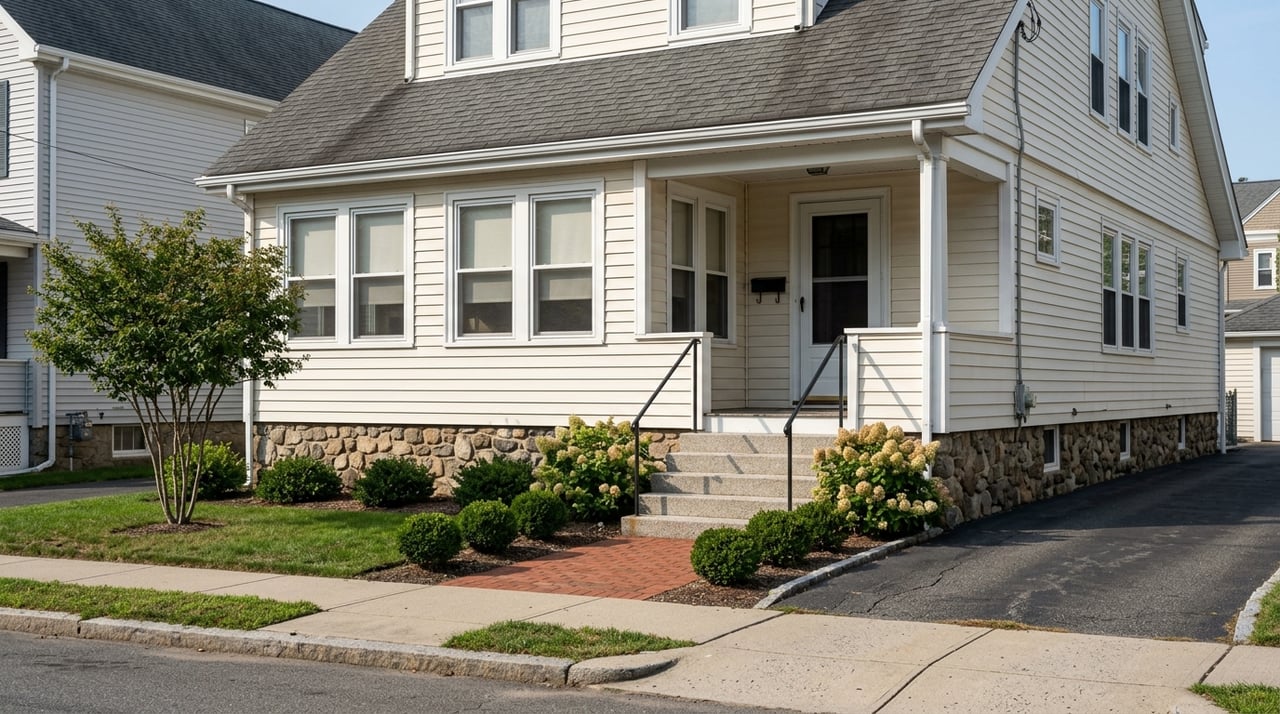
Looking for a home that makes your daily commute easier without pushing you into Boston-level prices? If you work in South Station, the Seaport, the airport area, North Station, or along the North Shore, Chelsea deserves a close look. You have several ways to get around here, and the right block can make a real difference in how you travel, park, and budget. Let’s dive in.
Why Chelsea works for commuters
Chelsea stands out as a small city with a strong transit network. According to the city, Chelsea has seven bus routes plus one commuter rail line, and SL3 gives you a direct Silver Line connection through the Seaport and Airport toward South Station.
That range matters because not every commuter needs the same route. If you depend on transit every day, Chelsea gives you bus, Silver Line, and commuter rail options in one compact city. If you drive, Route 1 and the Tobin Bridge create a direct path toward Boston, though traffic can be a major part of the equation.
MassDOT says the Route 1 and Chelsea Curves corridor carries more than 65,000 people a day across private vehicles, MBTA buses, and freight traffic. In simple terms, that means your choice between transit access and car access is not just a lifestyle preference. It can shape your daily schedule.
Best areas by commute type
Near SL3 for South Station
If you commute to South Station, the Seaport, or the airport area, homes near SL3 stops are often the most practical fit. A route timetable for SL3 lists 11 stops and a trip of about 25 minutes from Chelsea to South Station.
That kind of direct service can be a big advantage if you want to avoid driving into Boston. Areas around Bellingham Square and other Silver Line stops may be especially useful if your goal is a simpler weekday routine.
Near rail for North Station
If you head to North Station or travel north along the commuter rail line, the area near Everett Avenue and Mystic Mall is worth extra attention. Chelsea planning documents describe the commuter rail station there as linked with the Silver Line.
A representative MBTA Newburyport/Rockport timetable shows roughly an 11-minute ride pattern between Chelsea and North Station on one weekday run, though actual times vary by train. For some buyers and renters, that rail access can be the fastest path into downtown Boston.
West Chelsea for walkability
West Chelsea can be a smart choice if you want a home base with good station-area access on foot. City planning materials describe West Chelsea as about a 10 to 15 minute walk from the commuter rail station, 5 to 10 minutes from a Silver Line stop, and 5 to 10 minutes from bus stops.
That makes it appealing if you want transit access without needing to be right on top of the busiest corridors. It may also help if you are balancing commute convenience with the desire for more space or different parking options.
Route 1 for drivers
If you drive most days, you will want to pay close attention to access points for Route 1 and the Tobin Bridge. These are Chelsea’s main Boston-facing car routes, and they can be convenient when timing works in your favor.
Still, high daily traffic volumes mean that a home that looks close on the map may not feel close during rush hour. For drivers, location inside Chelsea is often less about straight mileage and more about how easily you can reach your preferred route.
What housing near transit looks like
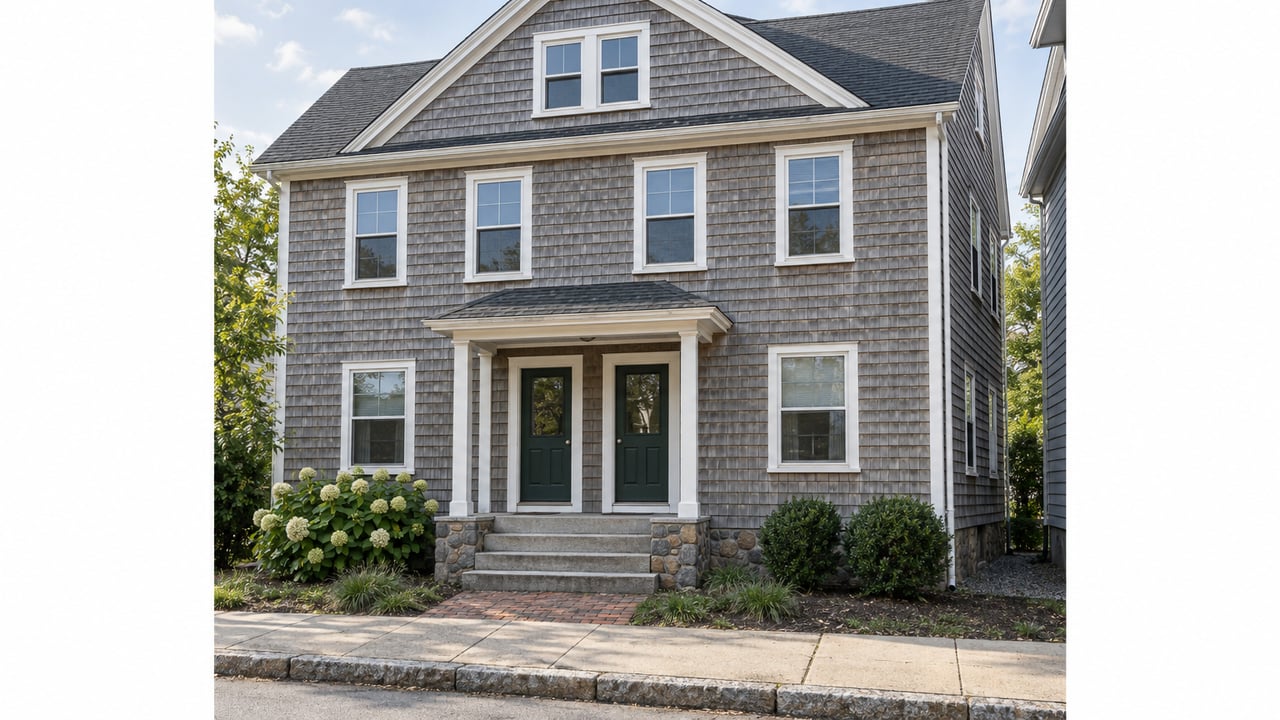
Chelsea’s housing stock is shaped by density and transit-oriented development. The city’s housing strategy says 71% of households rent, and most housing is in buildings with more than two units.
That helps explain why condos and multifamily properties play such a big role in the local market. Chelsea’s newer planning work also references a Transit Community Overlay District and a Downtown Broadway project, which supports the city’s transit-focused direction.
For buyers, that usually means your choices near transit may lean more toward condos, apartment-style buildings, and multifamily homes than traditional detached housing. If your priority is walkable access to bus, rail, or Silver Line stops, this mix can work in your favor.
Price points to expect in Chelsea
Current listings in the Broadway and commuter corridor show a wide range of entry points. Condo examples in Chelsea include 440 Broadway #502 at $337,000, 100 Pearl St at $405,000, and 200 Captains Row at $499,999.
That spread matters if you are trying to match commute savings with a realistic monthly budget. In many cases, a transit-adjacent condo may be the more accessible ownership option compared with larger property types.
Multifamily homes tend to sit much higher on the price ladder. Current duplex and triplex examples include 39 Spencer Ave at $929,000, 15 Shurtleff St at $945,000, and 7 Carmel St at $1.1 million.
For some buyers, that opens a different strategy. A 2 to 3 family home may be more attractive if you are looking for rental income potential or a property that supports owner-occupancy with additional units.
Chelsea versus nearby alternatives
Chelsea continues to compare favorably with nearby transit-served markets on price. Redfin reports a median sale price of $479,000 in Chelsea over the three months ending May 2026, compared with about $670,000 in East Boston over the same period.
Zillow’s typical home value data shows the same pattern, with Chelsea at $526,199 and East Boston at $669,488. For many buyers, that makes Chelsea a more budget-conscious way to stay connected to Boston.
The same trend shows up north of Boston as well. Zillow lists typical home values of $620,051 in Revere, $647,165 in Everett, and $694,358 in Malden, all above Chelsea.
That does not mean Chelsea is the right fit for everyone. It does mean you may be able to get transit access and a lower price point here than in several nearby options.
Rental costs and renter advantages
Renters can also see a pricing difference. Zillow shows average rent in Chelsea at $2,610, compared with $3,500 for Boston overall, while RentCafe puts East Boston’s average apartment rent at $3,210.
For a renter who wants access to Boston but needs more flexibility in the monthly budget, Chelsea may offer a useful middle ground. You still get multiple commute options, but often at a lower cost than nearby Boston neighborhoods.
This is especially important if you are relocating or testing an area before buying. Renting near a transit stop can give you a better feel for your actual commute and your parking needs before you make a purchase decision.
Parking should be part of your search
In Chelsea, parking is not a small detail. It can be one of the biggest quality-of-life factors in your housing search.
The city’s downtown parking map shows 2-hour and 10-hour meters enforced Monday through Saturday from 8 a.m. to 6 p.m., with free parking on Sundays and holidays. That means you should look carefully at whether a condo, rental, or multifamily property includes garage or off-street parking.
Some listings do highlight parking as a selling point. For example, 440 Broadway notes optional on-site garage parking, and 70 Warren Ave advertises one off-street space along with access to the bus line, commuter rail station, Silver Line, and Route 1.
If you own a car but still want transit nearby, a dedicated parking space may deserve the same weight as bedroom count or square footage. In a commuter market like Chelsea, convenience often comes down to those practical details.
How to choose the right fit
Choose transit-first if you:
- Commute to South Station, the Seaport, the airport, or North Station
- Want to reduce driving time and parking stress
- Prefer a condo or rental close to daily services and transit stops
- Are comfortable with denser housing and more urban street activity
Choose car-friendly access if you:
- Drive to work most days
- Need off-street or garage parking
- Want to compare western parts of Chelsea with busier transit corridors
- Value easier Route 1 access as much as walkability
Consider multifamily if you:
- Want to live in one unit and rent others
- Are comparing long-term income potential with monthly commute convenience
- Need more space than many condo buildings provide
- Want support from a local brokerage experienced with rentals, sales, and property management
The bottom line on Chelsea commuting
Chelsea works best when you match the home to the commute, not just the price tag. If you need direct access to South Station or the Seaport, focus on SL3 access. If North Station is your target, look closely near the commuter rail area around Everett Avenue and Mystic Mall. If you want a balance of walkability and flexibility, West Chelsea may offer a strong middle ground.
For buyers and renters priced out of East Boston or watching costs in nearby north-of-Boston communities, Chelsea offers a compelling mix of transit choices, lower pricing, and varied housing stock. The key is knowing which blocks, building types, and parking setups fit the way you actually live.
If you want help comparing Chelsea condos, rentals, or multifamily homes based on your real commute, connect with Coldwell Banker First Quality Realty. Our local team serves Chelsea and nearby north-of-Boston communities with hands-on guidance for buyers, renters, sellers, and property owners.
FAQs
What transit options are available for Chelsea, MA commuters?
- Chelsea has seven bus routes, the SL3 Silver Line branch, and a commuter rail station connection near Everett Avenue and Mystic Mall, giving you several ways to reach Boston and nearby areas.
How long is the SL3 ride from Chelsea to South Station?
- A route timetable for SL3 lists an approximately 25-minute trip from Chelsea to South Station, though travel time can vary by time of day.
Is Chelsea, MA more affordable than East Boston for homebuyers?
- Current sale-price data in the research report shows Chelsea below East Boston, with a Chelsea median sale price of $479,000 versus about $670,000 in East Boston for the same recent period.
What type of homes are common near transit in Chelsea, MA?
- Chelsea’s housing stock near transit often includes condos, apartment-style buildings, and multifamily properties, reflecting the city’s large share of renters and multi-unit housing.
Should Chelsea, MA buyers care about parking near transit?
- Yes. Parking can be a major decision factor in Chelsea, especially if you own a car, because some areas rely on metered parking while certain condos and homes offer garage or off-street spaces.