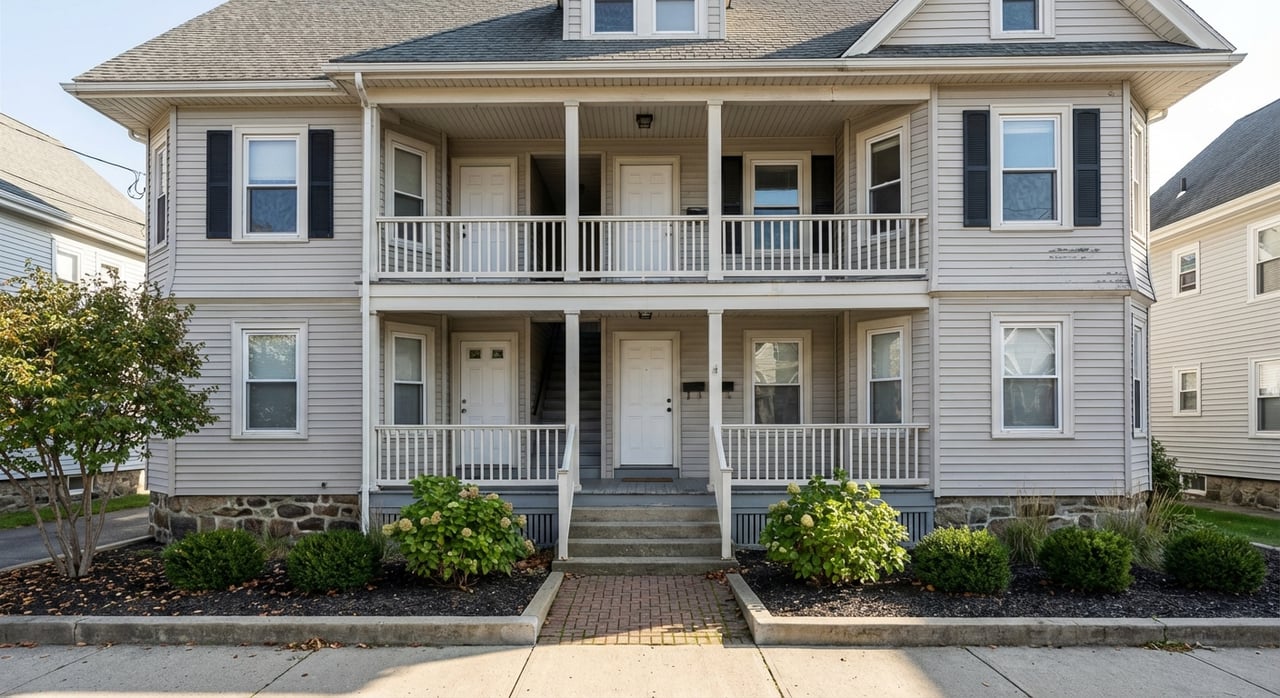
Thinking about house-hacking or buying a 2–4 unit in Lynn to build long-term income? You want solid rents, manageable risk, and a clear path to value. Lynn offers a lower entry price than many Boston suburbs with steady renter demand, but you need to understand the rules, the building stock, and the math. In this guide, you’ll get current rent and price context, the key risks, Lynn’s rental requirements, a simple pro forma, and how Lynn stacks up against Cambridge, Newton, and Framingham. Let’s dive in.
Why Lynn can pencil for 2–4 units
Lynn is a north-of-Boston market with lower purchase prices and strong commuter access. Median asking rents sit below Cambridge and Newton, which helps keep units filled while controlling vacancy. Purchase prices are generally far lower than core Cambridge/Newton, which can support better cash flow at acquisition.
Rents and demand snapshot
Recent listing medians in Lynn are in the low-to-mid $2,000s. One-bedrooms are around $1,975 and two-bedrooms around $2,400, with an overall median near $2,400, based on current listings. Always verify by block and building type before you underwrite. See the latest Lynn medians on Zumper’s market page.
Prices and cap-rate context
Citywide, Lynn’s recent median sale price has hovered around the mid-$500,000s, with a Redfin snapshot reporting about $570,600 in January 2026. In contrast, Cambridge and Newton medians are multiples of Lynn’s price, which can compress cash flow in those cities. Regionally, many small multifamily deals trade around a 5.5% to 6.5% cap rate when stabilized; Lynn assets often sit a bit above core Boston pricing and can offer more yield depending on condition and location. For a regional view, review small-multifamily guidance discussed in Boston multifamily cap-rate commentary.
Risks you must underwrite in Lynn
Older stock and common capital needs
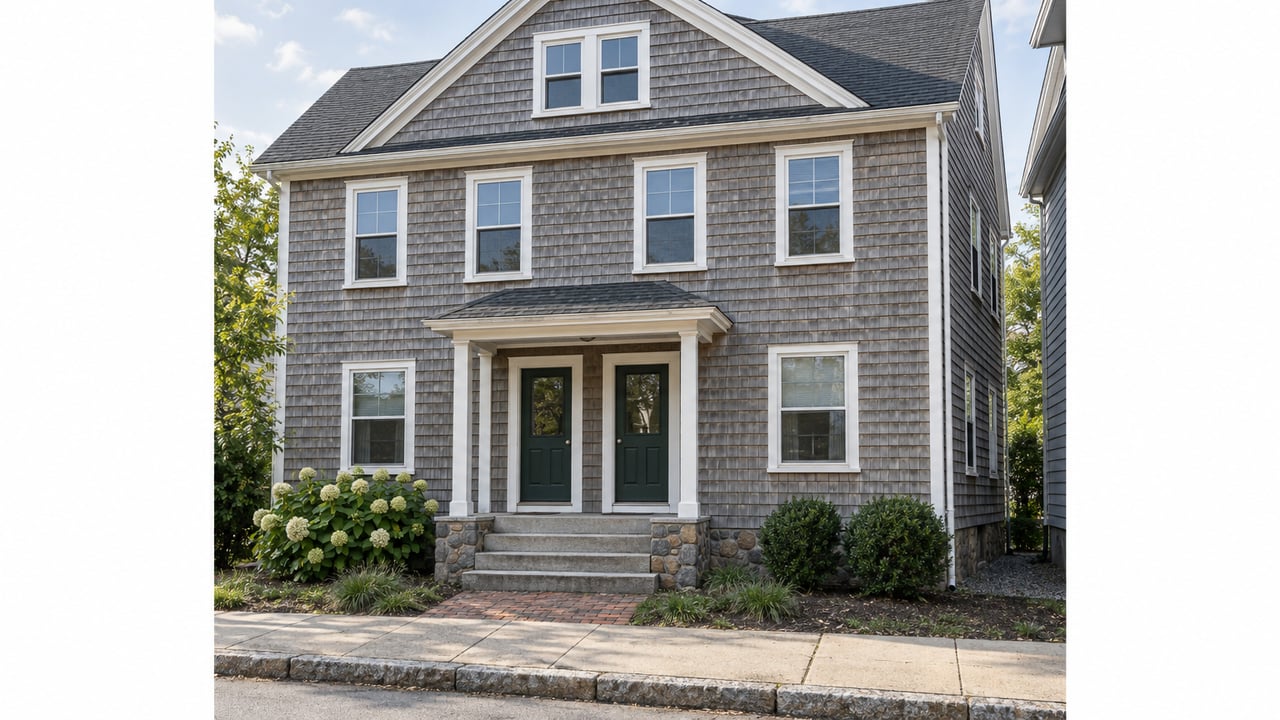
Lynn’s housing stock skews older, with a large share of 2–4 family buildings and many units built before 1940. That vintage creates opportunity, but it also means you should expect deferred items like aging roofs and porches, older heating systems, potential oil tanks, dated electrical, and masonry or foundation repairs. A local housing profile confirms the high share of two- to four-family structures and older inventory; review Lynn’s housing snapshot via the state housing report.
Lead law and insurance friction
If the property was built before 1978, plan for lead-based paint risk. The Massachusetts Lead Law requires abatement or interim controls in certain situations and sets strict tenant notification rules. Lead hazards and underground oil tanks can also make insurance harder or more expensive. Read the state’s guidance on Massachusetts lead law requirements and get an insurance quote early.
Vacancy and tenant turnover
The Greater Boston region has seen modest, mid-single-digit multifamily vacancy, with North Shore markets remaining relatively tight. That supports collections and reduces downtime for well-priced Lynn units near transit. For regional context, review the Colliers Greater Boston multifamily report.
Rules you must follow in Lynn and Massachusetts
Lynn rental registration and inspections
Lynn requires annual rental registration for private apartments and periodic inspections. Key points:
- Initial registration: $25 per unit; annual renewal: $15 per unit.
- Inspection every five years: $100; reinspection: $25.
- Fines apply for failure to register or noncompliance.
Budget time and funds to bring units into compliance, especially when buying occupied properties. Details live on the city’s Long-Term Apartment Rental Registration and Inspection Program page.
Deposits, habitability, smoke/CO
Massachusetts allows you to collect only first month’s rent, last month’s rent, and a security deposit up to one month’s rent at lease signing. Security deposits must follow strict handling and disclosure rules, including interest requirements and a 30-day return or itemized deductions after move-out. Review the statute at M.G.L. c.186, s.15B. Expect Lynn’s inspection to reference the State Sanitary Code and life-safety rules for smoke and carbon monoxide detectors.
Short-term rentals and rent control
If you plan to explore short-term rentals, confirm local rules and any tax or registration requirements with Lynn’s Inspectional Services Department before you underwrite STR income. Massachusetts law currently preempts municipal rent control under Chapter 40P, but always verify the latest policy environment before setting long-term assumptions.
How to run the numbers on a 3‑unit
Below is a simple example so you can see how a Lynn triple-decker might pencil. Update every input with real comps and vendor quotes for your specific property.
A simple pro forma
Assume a 3‑unit with two 2‑bedrooms and one 1‑bedroom. Using current Lynn listing medians, 2BR ≈ $2,400 and 1BR ≈ $1,975. That puts gross scheduled rent near $81,300 per year. If you use a 5% vacancy and collection loss (regional vacancy often runs around 4–6%), effective gross income is about $77,000. If you budget operating expenses and reserves at 40% of EGI, your simple NOI is roughly $46,000. In a 6% cap environment, that NOI implies a value near $767,000. A lower purchase price would imply a higher going-in cap rate; a higher price implies a lower cap.
Financing and leverage tips
Rates move, so stress test. Recent 30-year fixed averages in February 2026 hovered around 6.0% to 6.2%, which raises debt service and can thin cash flow at 75% LTV. Run all-cash and leveraged cases, then toggle rate, rent, and expense sensitivity. See national rate context summarized by Mortgage Professional’s coverage of the Freddie Mac survey here.
Value-add ideas that work in Lynn
- Refresh kitchens and baths to justify higher rent.
- Correct life-safety and code items flagged in Lynn’s inspection to avoid fines and speed occupancy.
- Modernize heating and electrical to reduce operating costs and improve insurability.
- Where legal, optimize layouts or add a bedroom to increase rent potential.
Lynn vs. Cambridge, Newton, and Framingham
Price/rent tradeoff
Cambridge and Newton offer higher rents but require much higher purchase prices, which can compress cap rates and make cash flow harder without a large down payment or major value-add. Lynn’s lower entry price and steady demand often make it a better starting point for cash flow. Farther suburbs like Framingham can offer lower prices but depend more on local employment and different commute patterns. For current Lynn rent context, review Zumper’s Lynn medians.
Who Lynn fits best
Lynn tends to fit small-scale investors and house-hackers who value commuter access and can plan for older-building improvements. If you want proximity to Boston without Cambridge/Newton pricing, and you are comfortable managing inspections, compliance, and light-to-moderate rehab, Lynn can be a smart play.
Due-diligence checklist for your 2–4 unit
- Pull neighborhood-level rent comps and 2–4 unit sales comps.
- Confirm Lynn rental registration status and any Inspectional Services history for the property; request copies of prior reports or orders.
- Order a licensed lead inspection for pre‑1978 buildings if you expect child occupants; plan for abatement if hazards are found.
- Get a written insurance quote that considers age of systems, any oil tanks, and any open lead or code orders.
- Verify smoke/CO compliance, electrical capacity, heating system age, roof and porch condition, and any foundation or masonry issues.
- Build two models: an all-cash case and a 75% LTV case; stress rates, vacancy, and capex.
- If you are considering short-term rentals, confirm local STR policy with Lynn ISD before assuming income.
The bottom line
Lynn’s small multifamily market offers a practical balance of price, rent, and demand for investors who do careful underwriting and plan for compliance. With older buildings, the risks are real, but so are the rewards when you budget for inspections, code items, and value-add. If you want local guidance on specific properties, underwriting, and leasing strategy, our neighborhood-based team is here to help. Connect with Coldwell Banker First Quality Realty to talk through your next move.
FAQs
What are typical 1BR and 2BR rents in Lynn right now?
- Recent listings show a 1BR around $1,975 and a 2BR around $2,400, with a citywide median near $2,400; always verify by neighborhood and condition.
Does Lynn require rental registration and inspections for 2–4 families?
- Yes. Lynn requires annual registration, inspections every five years, and fees per unit, with fines for noncompliance; plan for registration and scheduling with ISD.
How does the Massachusetts Lead Law affect a pre‑1978 Lynn triple-decker?
- If a child under six resides or lead hazards are found, owners must address hazards through abatement or interim controls; expect added cost and strict documentation.
What cap rate should I target for a stabilized 2–4 unit in Lynn?
- Regionally, many small multifamily assets trade around 5.5% to 6.5% caps when stabilized; Lynn assets may price slightly higher than core Boston depending on condition.
How do today’s mortgage rates affect my cash flow in Lynn?
- Around 6% 30-year fixed rates can increase debt service; at 75% LTV, you may see thin cash flow unless you buy right, increase NOI, or bring a larger down payment.
How does Lynn compare to Cambridge and Newton for investors?
- Cambridge/Newton deliver higher rents but much higher prices and lower caps; Lynn’s lower entry cost often supports better initial cash flow for small investors.