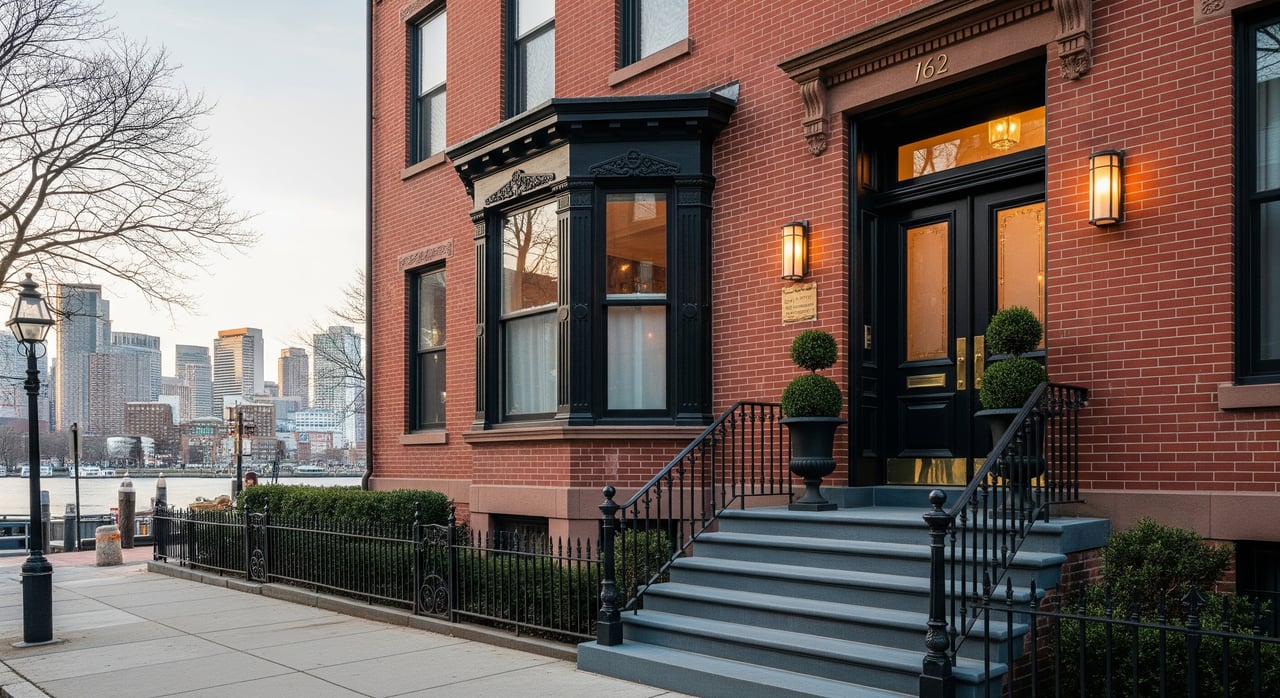
Worried the down payment will keep you from buying a home in Chelsea? You are not alone. Many buyers in Suffolk County have solid income and good credit, but saving the upfront cash feels harder than finding the right home. The good news is you may be able to reduce what you need to bring to closing with help that is designed for first-time and repeat buyers.
In this guide, you will learn what down payment assistance looks like in Chelsea, where to start, what to expect for eligibility, and how to apply without slowing your home search. Let’s dive in.
What down payment help looks like
Down payment assistance, or DPA, comes in a few common forms. Each option works differently, so it helps to know the basics before you apply.
- Grants. Some programs offer direct funds for your down payment or closing costs. Grants may be forgivable after you live in the home for a set period, or repayable when you sell or refinance.
- Soft-second loans. These are low or zero interest second mortgages that sit behind your main loan. Payments can be deferred until you sell or refinance, or they can be paid monthly at a low rate.
- Matched savings accounts. You save a set amount and the program matches your savings to boost your down payment.
- Low down payment mortgages. Certain loan products reduce the cash you need at closing. Examples include Fannie Mae HomeReady, Freddie Mac Home Possible, FHA loans with 3.5 percent down, and VA or USDA loans that can require little or no down payment if you qualify. Many can be paired with DPA.
- Lender-based DPA. Some participating lenders layer in their own assistance, often tied to state programs.
- Homebuyer education. Many programs require an approved workshop or counseling session before funds can be reserved for you.
Chelsea and Massachusetts resources
You have several places to look for help when buying in Chelsea. Start locally, then expand to state and federal options, and finally connect with lenders and HUD-approved counselors who work with these programs every day.
City of Chelsea programs
The City of Chelsea often administers federal funds, such as CDBG and HOME, for local housing initiatives. Cities sometimes use these funds for first-time homebuyer grants or soft-second loans with owner-occupancy rules. Contact the city’s housing or community development office to ask about current funding, application cycles, and income limits.
MassHousing options
MassHousing partners with local lenders across Massachusetts to deliver mortgage products and related assistance. Through a participating lender, you may access down payment help that pairs with your primary mortgage, along with required homebuyer education. Expect program guidelines on income, purchase-price caps, and property type.
MHP and the ONE Mortgage
The Massachusetts Housing Partnership (MHP) works with banks to offer products designed for affordability. The ONE Mortgage program is a well-known option that targets first-time buyers and may reduce monthly costs compared with standard loans. ONE Mortgage can sometimes be coordinated with other local assistance, subject to program rules.
Federal loan programs
Federal mortgages can lower upfront costs even before you add DPA. FHA loans allow low down payments and flexible credit standards. VA loans can provide zero down for eligible service members and veterans. USDA loans offer zero down in specific areas and for eligible borrowers. Many state and local DPAs are designed to work alongside these loans, though your lender must confirm which combinations are allowed.
Nonprofit and counseling resources
Nonprofits and community development corporations in and around Chelsea often run homebuyer education, matched savings, or connect buyers to local DPA pools. Look for HUD-approved housing counseling agencies serving Suffolk County, as well as regional groups like NeighborWorks affiliates, Metro Housing Boston, and Chelsea-based organizations such as Chelsea Collaborative. These organizations can help you prepare documents, complete education, and understand program timelines.
Eligibility basics to expect
Down payment assistance is meant to increase access to homeownership, so most programs include guardrails. Before you shop, review these common criteria so you can plan your search and paperwork.
- First-time buyer definition. Many programs define a first-time buyer as someone who has not owned a home in the last three years. Some programs waive this in targeted areas or for specific buyer groups.
- Income limits. Programs often use household income limits based on Area Median Income and household size. These limits vary by program and can change every year.
- Purchase-price caps. There is usually a maximum price for the home you buy under the program.
- Property and occupancy. Most programs require you to live in the home as your primary residence. Investment properties are generally excluded. Some condo projects or multi-unit homes may have added requirements.
- Homebuyer education. Many programs require an approved course or counseling session before funds are reserved.
- Credit and underwriting. You still need to qualify for the primary mortgage with a participating lender. DPA does not replace standard underwriting.
- Residency and status. Some programs set rules about citizenship or eligible immigration status. Others may be more flexible. Confirm details with the administrator.
How to apply in Chelsea
A clear plan helps you move from research to approval without losing time during your home search.
Start local. Contact the City of Chelsea housing or community development office to ask about active homebuyer programs and application windows. Ask the Chelsea Housing Authority if they offer referrals or homeownership resources.
Complete homebuyer education. Enroll in an approved workshop with a HUD-approved counselor or a local nonprofit. You will need a certificate of completion for many programs and lenders.
Get preapproved with a participating lender. Choose a lender that works with MassHousing, MHP, and local municipal programs. Ask which DPAs they support, how funds are layered, and whether any rate adjustments apply.
Confirm eligibility and apply. Share your income, household size, and target purchase price with the program administrator. Some programs run on a rolling basis. Others have application deadlines or lotteries.
Gather documents early. Expect to provide pay stubs, W-2s or tax returns, bank statements, ID, your education certificate, and later a copy of the purchase and sale agreement. Keep files organized to avoid delays.
Coordinate timing. DPA approval often runs alongside your mortgage underwriting and appraisal. Ask about typical processing times so your purchase timeline fits the program schedule.
Pros, tradeoffs, and fine print
DPA can be a game changer for buyers in Chelsea. It can also affect your future choices when you refinance or sell. Read the terms carefully.
Forgivable grants
- Upside. No monthly payment. The grant may be forgiven after you live in the home for a set number of years.
- Consider. Moving or refinancing too soon can trigger repayment.
Deferred-payment seconds
- Upside. No payment while you live in the home. This keeps monthly costs lower.
- Consider. The balance is due when you sell or refinance. Factor this into equity plans.
Interest-bearing subordinate loans
- Upside. Can provide a larger assistance amount.
- Consider. Adds a monthly payment and increases total debt.
Resale and recapture rules
Some programs include resale restrictions or recapture provisions to preserve affordability. You may need to share a portion of appreciation or repay some subsidy if you sell within a set period.
Tax considerations
Down payment assistance used for purchase is generally not taxable income. If a loan is forgiven or repaid early, tax impacts can vary. Consider speaking with a tax professional about your situation.
Smart strategies for Chelsea buyers
A focused approach will help you line up assistance and stay competitive in the Chelsea market.
- Work with experienced partners. Choose a lender that regularly closes MassHousing or MHP loans and has a track record with municipal DPA. Ask for their checklist on documentation and timelines.
- Finish education early. Your certificate can unlock more options and keeps you ready to reserve funds when you find the right place.
- Stack programs carefully. Some DPAs cannot be combined. Have your lender confirm which sources can be used together.
- Budget for reserves. DPA helps with down payment and closing costs, but routine maintenance and emergency repairs are on you. Build a cushion.
- Watch deadlines. Application windows and funding pools can open and close quickly. Get on interest lists and ask about waitlists.
- Coordinate your offer. If your DPA adds time to closing, have your agent negotiate a realistic timeline that sellers will accept. Consider appraisal or financing contingencies that fit program rules.
How we support your purchase
You deserve a team that understands both the local market and the moving parts of down payment assistance. Our agents work across north-of-Boston communities, including Chelsea, Everett, Revere, and Malden. We help you:
- Identify participating lenders familiar with MassHousing, MHP, and municipal programs.
- Align your DPA timeline with your purchase contract so you can close smoothly.
- Craft competitive offers that reflect your financing and protect your interests.
- Negotiate seller credits when appropriate to further reduce cash to close.
If you are ready to explore options and map out a clear plan, we are here to help you navigate every step with local know-how and steady communication.
Ready to get started? Connect with the team at Coldwell Banker First Quality Realty to discuss your goals and next steps.
FAQs
What down payment assistance exists in Chelsea, MA?
- Buyers can explore city-administered grants or soft-second loans, state programs through MassHousing and MHP, federal low down payment mortgages, and nonprofit resources that provide education or matched savings.
Can I combine DPA with FHA or conventional loans in Massachusetts?
- Often yes, since many programs are designed to work with FHA, VA, USDA, and conventional options, but your lender must confirm which combinations and terms are allowed.
How long does DPA approval take for a Chelsea home purchase?
- Plan for several weeks to a few months depending on education completion, lender underwriting, appraisal timing, and the program’s review process.
Do I have to repay down payment assistance?
- It depends on the program; grants may be forgivable after an occupancy period while soft seconds can be due upon sale or refinance, and some products add a monthly payment.
Do I need homebuyer education to use DPA in Suffolk County?
- Most programs require an approved class or counseling session before you can reserve funds or close, and you will need a certificate of completion.
Can I use DPA funds for closing costs in Massachusetts?
- Many programs allow assistance to cover both down payment and eligible closing costs, though you should confirm permitted uses with the program administrator and your lender.