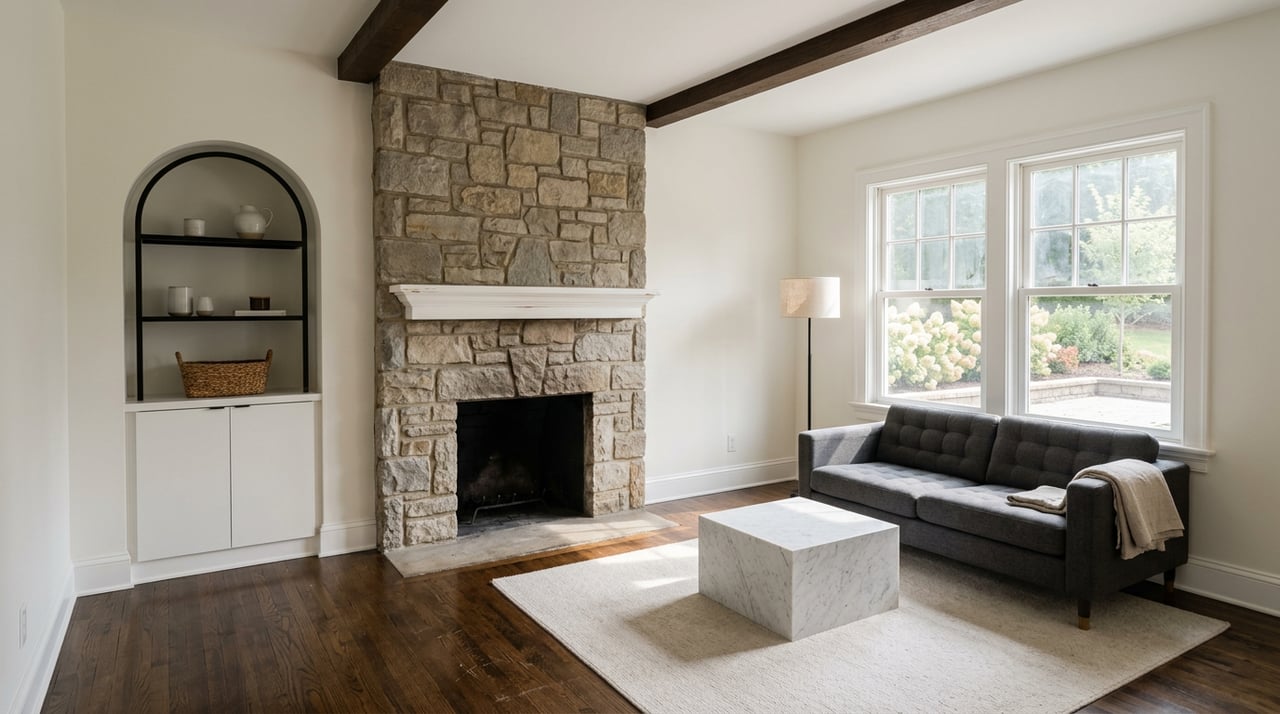
If you’re dreaming about a simpler setup with less upkeep, Saugus gives you real options. You might picture a bright condo with no lawn care, a single-level ranch that keeps everything on one floor, or a nearby 55+ community that takes maintenance off your plate. Wherever you are in the process, you want clear numbers, realistic timelines, and a plan that fits your move. In this guide, you’ll see the local landscape, what each housing path trades off, how to estimate your net proceeds, and smart ways to line up your sale and next purchase. Let’s dive in.
Saugus market snapshot
Saugus has held steady in the mid 600s over the past year. For context, the median sale price was about $640,000 in January 2026, according to Redfin, and the Zillow Home Value Index showed a typical value near $666,854 as of January 31, 2026. Realtor.com reported a median listing price around $665,000 through December 2025 with relatively limited inventory. When you look at condos specifically, small sample sizes can make monthly medians jump, which is why a 6 to 12 month view is more reliable.
Town-level reports from the Massachusetts Association of REALTORS note that condo figures can swing more than single-family homes due to fewer sales. That is a reminder to lean on actual MLS comps for pricing and to take single-month condo medians with caution, as shown in the Saugus market brief from MAR/ShowingTime.
Your downsizing options
Condos and townhomes
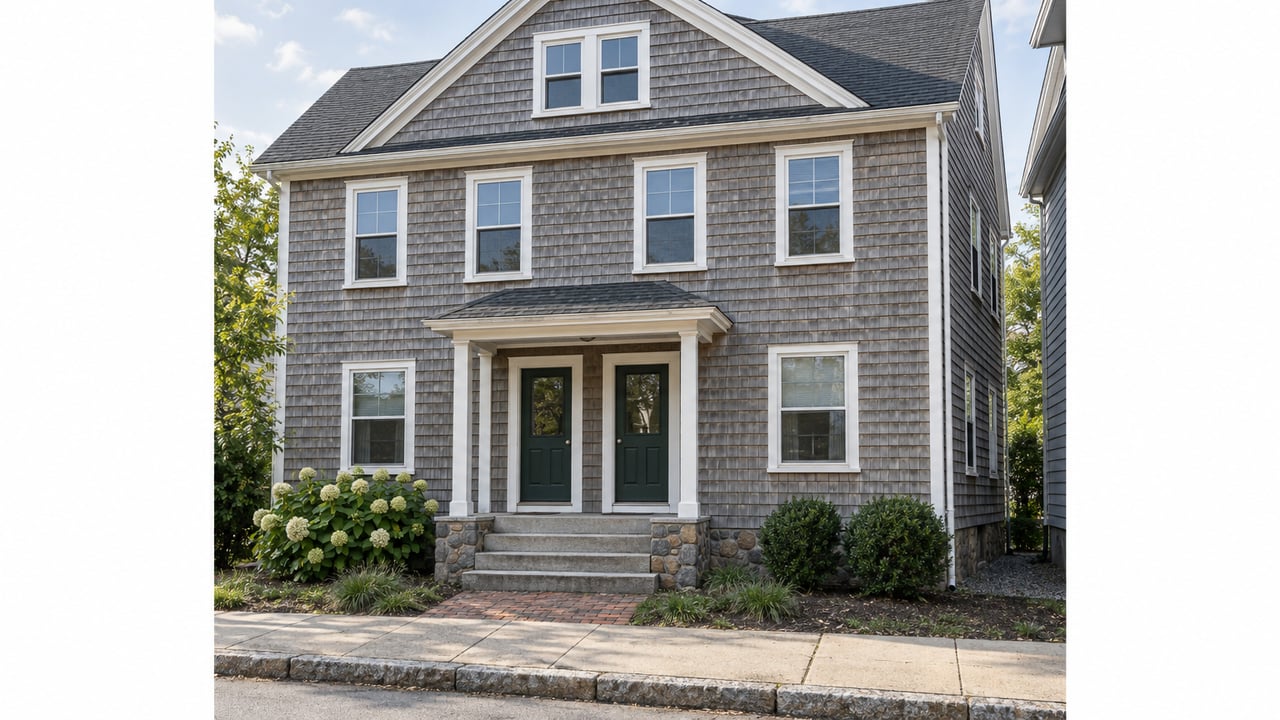
Condos and smaller townhome developments in Saugus appeal if you want lower maintenance and no lawn care. You trade a yard for convenience, elevator access in some buildings, and association-managed exterior work. Inventory can be tight at times, so prices and price per square foot vary by building.
Before you get serious on a specific complex, review the association’s rules and financials. Ask for pet policies, rental restrictions, age restrictions if any, current monthly fees, reserve funding, and any planned assessments. Request recent meeting minutes and budgets so you understand the condition and upkeep plan.
Single-level ranch and bungalow homes
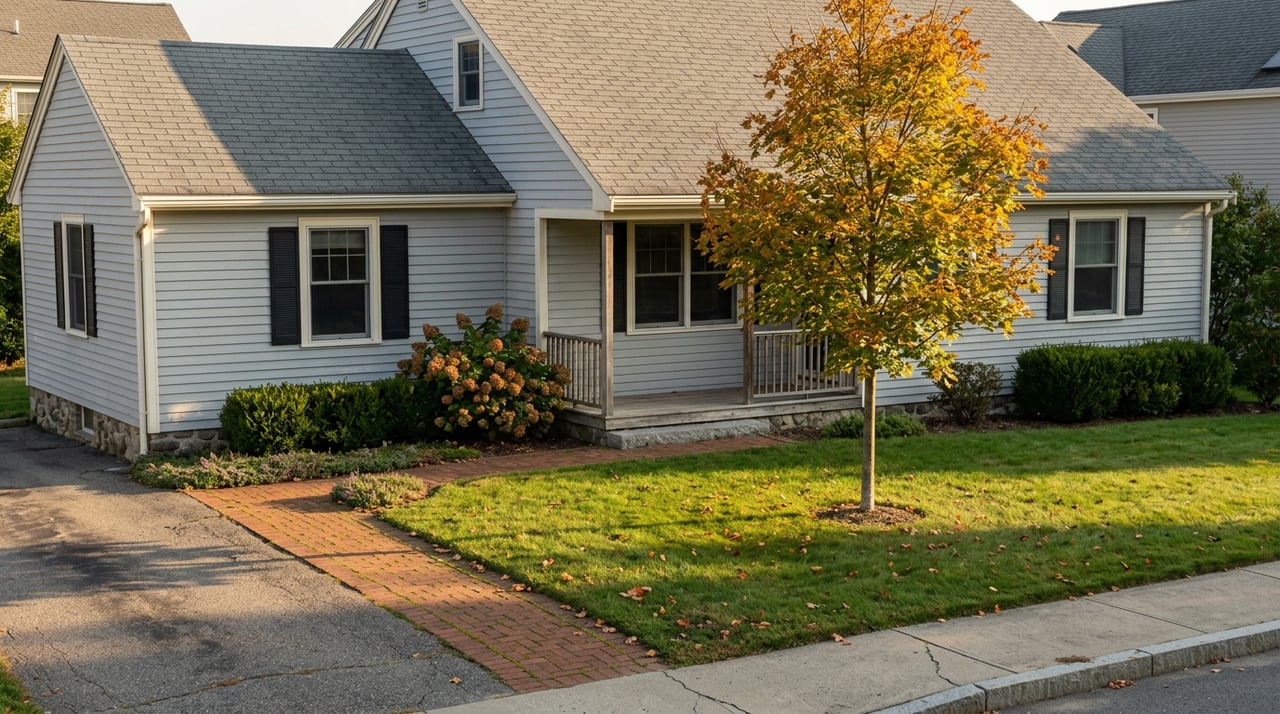
Single-level living stays popular with downsizers who want to avoid stairs. In and around Saugus you’ll often see ranches, raised ranches, bungalows, and capes with a first-floor bedroom and bath. You keep more independence, a private yard, and storage compared with a condo.
The tradeoff is modestly higher maintenance and property taxes versus a condo, since you handle your own exterior. Many ranches also give you space to add accessibility features over time, like grab bars, wider doorways, or a walk-in shower.
55+ and senior living nearby
Saugus offers municipal senior housing and senior apartment options, while many organized 55+ and continuing-care settings are in nearby North Shore towns like Danvers, Peabody, Lynnfield, and North Andover. It helps to know the differences:
- Active adult or age-restricted 55+ communities: independent living with age limits, usually condo-style ownership or rental.
- Assisted living: higher level of on-site support, meals, and services, usually rental with a monthly fee.
- Life-plan or continuing-care communities (CCRCs): a campus that offers independent, assisted, and nursing care levels under one umbrella.
Examples to research include Brightview Danvers, Sunrise of Lynnfield, and Edgewood in the North Andover area. You can start exploring options through resources like this North Shore senior living listing. Always confirm any age restrictions, services, and fees in writing, and review bylaws or residency agreements before you commit.
Estimate your net proceeds
Key line items to count
When you plan a sale, build a simple net sheet so you know what cash you can bring to your next home. Include:
- Sale price (gross)
- Real estate commission (negotiated; many Massachusetts transactions land in the mid 5 percent range for listing plus buyer agent, but confirm your exact agreement)
- State conveyance tax, also called the deed excise
- Title, attorney, and closing fees
- Prorations like property taxes or HOA dues
- Agreed repairs or credits
- Mortgage payoff(s)
In Massachusetts, the deed excise is commonly calculated at $2.28 per $500 of sale price, about 0.456 percent, paid by the seller at recording. You can find this in the state’s standards from the Secretary of the Commonwealth’s office in the section on deed excise calculations (Massachusetts Registry of Deeds standards).
Example net sheet (illustrative)
Here is an example for a $700,000 sale. Use this as a template, then ask your agent for a custom net sheet with your commission, payoff, and prorations.
- Commission at 5.57 percent: $38,990
- MA deed excise at 0.456 percent: $3,192
- Other seller closing costs at about 2 percent: $14,000
- Repairs and staging: $5,000
- Mortgage payoff (example): $200,000
- Approximate cash before taxes: $700,000 minus $38,990, $3,192, $14,000, $5,000, and $200,000 equals $438,818
Your largest variables are the commission you negotiate, your exact mortgage payoff, and any repairs or credits. A written payoff statement and a detailed, line-by-line net sheet will keep you on track.
Taxes to plan for
- Federal primary residence exclusion: If you owned and used your home as your principal residence for two of the five years before the sale, you may be able to exclude up to $250,000 of gain if single or $500,000 if married filing jointly. Review the IRS overview and consult a CPA for edge cases or large gains (IRS guidance on excluding gain).
- Massachusetts state tax: Any remaining taxable capital gain after federal exclusions is included in MA taxable income, with recent updates affecting rates and surtaxes. Check current rules or speak with a tax professional using the Department of Revenue’s latest updates (MA DOR 2024 tax law changes).
Line up your sale and purchase
Sell first or buy first
- Sell first, then buy: You reduce risk since you have cash in hand and often look stronger to sellers on your next offer. The tradeoff is arranging temporary housing or negotiating a short rent-back if your closings do not line up. Typical financed closings after an accepted offer often take about 30 to 45 days, with cash buyers sometimes faster (closing timeline reference).
- Buy first, then sell: You lock in the next home and avoid a double move, but you need savings, a HELOC, or a bridge loan to cover the down payment or carry two mortgages for a short period.
- Sale-contingent offers: Still used, especially with defined deadlines and kick-out clauses, but they can be less competitive in tight inventory.
Bridge your financing gap
A HELOC or home equity loan can help with your down payment at a lower cost than many bridge loans, but the payment counts toward debt-to-income. A bridge loan is a short-term loan designed to let you close before you sell, usually with higher interest and stricter underwriting. Compare options and confirm repayment terms with your lender early (bridge financing basics).
Use a rent-back to gain time
A short post-closing occupancy, also called a rent-back, lets you close and stay in the home for an agreed period. Keep the terms in a written agreement that sets the rent, deposit or holdback, utilities, maintenance, insurance, and liability. Some loan programs and title companies limit rent-back length, often to 30 to 60 days. Have your agent coordinate the details with the buyer’s lender and title company (rent-back guidance).
A simple 90-day downsizing plan
- 3 to 6 months out: Meet with a local listing agent who works with downsizers. Request a comparative market analysis and a written seller net sheet. Walk the home to spot easy value-add fixes and plan your timeline.
- 2 to 3 months out: Declutter, donate, and sell what you will not bring. If you want a one-level home, measure key dimensions like doorway widths and bathroom clearances so you can confirm fit in future listings. Consider a pre-listing inspection to reduce buyer surprises.
- 6 to 8 weeks out: List, stage, and market with your likely buyer in mind. If a condo is on your next-home list, start gathering HOA documents and ask for an estoppel or questionnaire early so you know fees, rules, and reserves.
- Under contract: Request a mortgage payoff in writing, confirm closing dates, and line up movers, mail forwarding, and utilities. If you need time after closing, negotiate a rent-back or plan a short-term rental.
Local support and resources
- Saugus Council on Aging: Programs, transportation, and resources for older adults through the town’s Senior Center. Start with the Town of Saugus Council on Aging.
- Mass 2-1-1: A statewide referral service that connects you to local human services and senior resources when you are relocating or rightsizing. Learn more through the Mass 2-1-1 resource page.
- Senior living research: Explore nearby independent, assisted, and life-plan options on the North Shore with resources like this North Shore senior living listing. Always confirm services, age restrictions, and fees in writing.
Ready to talk next steps?
You deserve a plan that trades stress for simplicity. Our Malden-based team pairs neighborhood insight on Saugus and the North Shore with full Coldwell Banker marketing to help you price right, time your move, and find the low-maintenance home that fits your life. Connect with Coldwell Banker First Quality Realty for a personalized net sheet, a rightsize search plan, and trusted, hands-on support from start to finish.
FAQs
What is the current Saugus home price if I am downsizing?
- Over the past year Saugus has hovered in the mid 600s, with a median sale price near $640,000 in January 2026 and a typical value around $666,854 at the end of January 2026, based on major market trackers.
Are condos or ranches more budget friendly in Saugus?
- It depends on the property and location, but condos can have a lower price point per door while ranches may give more land and storage; condo medians can swing month to month due to small sample sizes, so compare recent comps for each property type.
What should I review before buying a Saugus-area condo?
- Ask for HOA bylaws, rules, rental and pet policies, age restrictions if any, monthly fees, reserve balances, recent budgets, 3 to 5 years of meeting minutes, and any planned special assessments before you commit.
How long does a typical closing take when I sell and buy?
- Most financed transactions close in roughly 30 to 45 days after offer acceptance, with cash purchases often faster, so plan your sale and purchase timelines with that window in mind.
What taxes might I owe when I sell my longtime home?
- Many owners qualify for the federal primary residence exclusion up to $250,000 or $500,000 of gain, then any remaining taxable gain flows into Massachusetts taxes, so review IRS rules and check current MA guidance with a CPA.