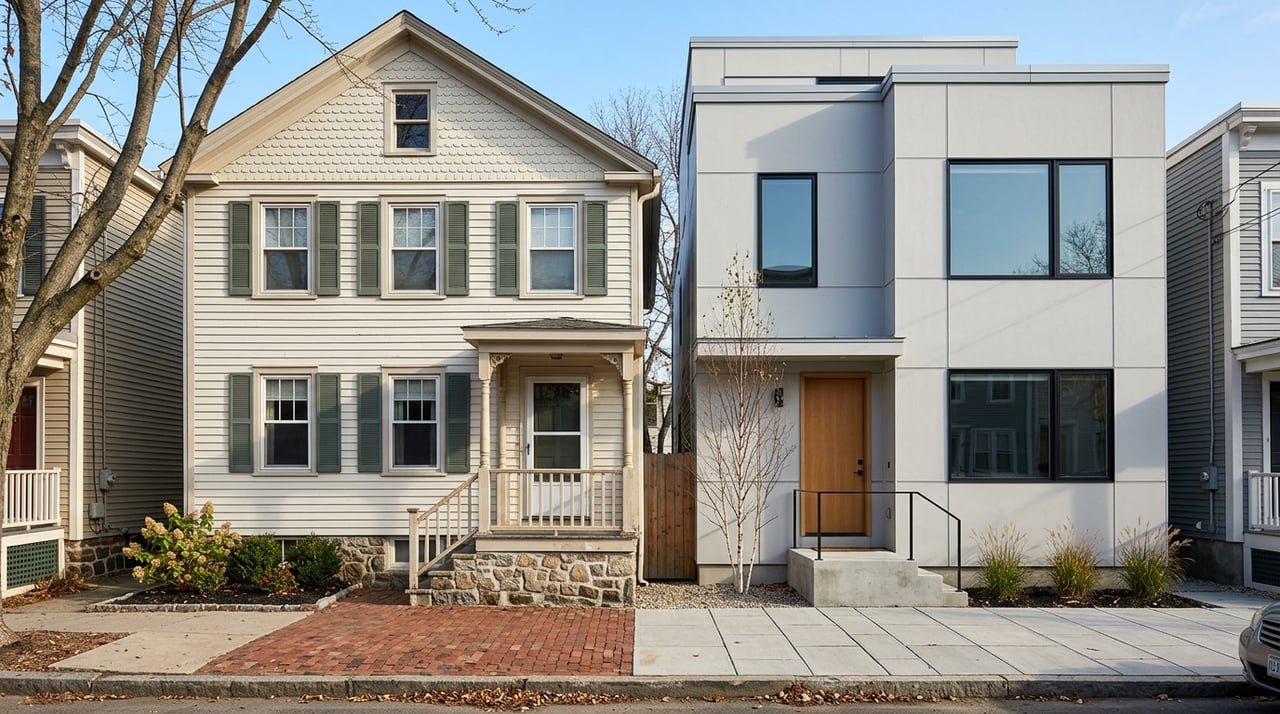
Torn between the character of a classic Victorian and the ease of a sleek new build in Melrose? You are not alone. Many move-up buyers and relocators face this exact choice as they compare charm, maintenance, energy costs, and resale. In this guide, you will learn how each option lives, what it typically costs to own, what to know about local approvals, and how to match the right home to your goals. Let’s dive in.
Melrose market at a glance
Melrose is a competitive, higher-cost Boston suburb. Reported citywide medians differ by source and timeframe, but they generally fall from the high $700Ks to around $1 million. Local coverage quoting The Warren Group reported a 2025 single-family median of about $965,000, which reflects the strength of freestanding homes in the area. You will also see lower medians for condos and townhomes in some months, underscoring the price gap by property type. Local reporting with Warren Group data
Why the spread? Different publishers use different methodologies and windows. Some track sold-price medians, others estimate typical values. As a buyer, focus on recent sold comps for your property type and neighborhood. That gives you the most accurate sense of value for a Victorian single-family versus a newer townhome.
Historic homes: what you experience
Historic Melrose homes, often late-19th or early-20th century, bring tall ceilings, detailed woodwork, porches, and traditional room layouts. Many buyers love the character and the sense of place these homes provide. Layouts can include formal living and dining rooms, bay windows, and period trim that give a warm, classic feel. For a visual sense of period details, see how a revitalized Victorian can blend old and new. Victorian features and feel
Older construction means systems can vary widely. Some properties have updated wiring, insulation, and HVAC, while others retain older components that may need near-term attention. That variability is part of the opportunity and part of the homework. You will want to review the assessor record, recent building permits, and a detailed home inspection to understand what was updated and what is coming due.
New townhomes and infill: what you get
Newer Melrose townhomes and infill offer open main levels, attached or tuck-under garages, modern kitchens and baths, and in-unit laundry. Builders often include energy-efficient windows, insulation, and heat-pump HVAC. The tradeoff is typically lot size and privacy compared with a standalone home.
On the sustainability front, recent infill in Melrose has aimed for high energy performance, including all-electric systems and solar-ready designs. A notable local example is the Essex Street project, which highlights design choices focused on efficiency and modern living features. Energy-forward Melrose infill example
Townhome communities may also include homeowners association services that reduce your direct exterior maintenance. Monthly HOA dues vary by building and amenities, so ask for current budgets and reserves. In general, dues can range from low hundreds per month upward, depending on size and services. How HOA fees typically work
Cost of ownership: maintenance and energy
Every home needs upkeep. A common budgeting rule suggests setting aside roughly 1% to 4% of your home’s value per year for maintenance and repairs. Older homes often lean to the higher end, especially if major systems are nearing replacement, while newer builds tend to be lower in the early years. Use your inspection and permit history to tailor your number. Maintenance budgeting guidance
Typical one-time items to check on older homes include roof age, windows, heating system, hot water equipment, and electrical capacity. If those systems are newer, your early ownership may be smoother than you expect. If they are original or out of life, plan a realistic timeline and budget so you are not surprised.
Energy is another key lever. Newer construction often has modern insulation, tight air sealing, and efficient equipment that help reduce utility costs. Older homes can catch up more than you might think through staged upgrades such as attic insulation, air sealing, and cold-climate heat pumps. Federal guidance outlines how to sequence improvements for the best results and potential credits. DOE guidance on insulation and air sealing
If you pursue retrofits in Massachusetts, check for incentives and rebates that can improve the payback on heat pumps and insulation. Program details change over time, so confirm current amounts before you commit. Overview of Massachusetts heat pump and insulation incentives
Rules and approvals to know
Parts of Melrose fall within the Downtown Historic District, where exterior changes visible from public ways require review by the Historic District Commission. If you plan to modify siding, windows, porches, or other visible elements, you will likely need a Certificate of Appropriateness before pulling building permits. That adds steps to your timeline, so plan early and ask your agent to help you understand the process. Melrose Historic District Commission
Outside the district, you should still pull property records and permit history to know what was done and when. The City Assessor portal is a good starting point for property cards, and it links out to additional records you may need during due diligence. City of Melrose Assessor
Resale considerations
Resale in Melrose tends to track product type and condition. Well-preserved historic homes with updated systems often appeal to buyers who value character and neighborhood fabric. Newer townhomes can show strong demand from buyers who want turnkey systems, garages, and modern layouts. In both cases, your resale will benefit from clear maintenance records, sensible upgrades, and, for townhomes, a healthy HOA with adequate reserves and transparent budgets.
How to choose the right fit
Use this quick checklist to align your home with your lifestyle, budget, and timeline:
- You want space, yard, and architectural character: Focus on historic single-family homes. Confirm system ages and plan a realistic maintenance reserve.
- You prioritize convenience, modern systems, and garage parking: Explore newer townhomes and recent infill. Review HOA dues, reserves, and any upcoming assessments.
- You have bandwidth for projects and value long-term upside: A Victorian with good bones and selective upgrades can be rewarding. Budget a healthy contingency for surprises.
- You want minimal near-term projects: A newer build can keep maintenance and energy costs lower in the early years.
- You care about sustainability: Look for townhomes with heat pumps and strong energy envelopes, or target older homes where you can add insulation and electrify step by step.
Next steps in Melrose
Your best decision will come from current, local data and a plan that fits your lifestyle. We can help you compare recent sold comps for historic single-families and newer townhomes, review HOA documents, and connect you with inspectors and local contractors. Whether you are relocating for work in Cambridge, Newton, Framingham, or nearby, or you are moving up within the north-of-Boston corridor, you deserve clear, practical guidance.
Have questions or want tailored comps for your shortlist? Connect with our team at Coldwell Banker First Quality Realty. We pair neighborhood expertise with the reach of the Coldwell Banker platform to help you buy with confidence.
FAQs
How do Melrose single-family prices compare to condos and townhomes right now?
- Local reporting that cites The Warren Group shows a 2025 single-family median near $965,000, while condos and townhomes often transact at lower medians depending on the month. Always rely on recent sold comps for your property type. Local reporting with Warren Group data
What maintenance budget should I plan for a 1900s home versus a 2015 townhome in Melrose?
- A useful rule is 1% to 4% of home value per year, with older homes often at the higher end and newer builds at the lower end early on. Your inspection and permit history will refine that estimate. Maintenance budgeting guidance
Are there incentives that make retrofitting an older Melrose home more efficient?
- Yes. Many Massachusetts homeowners can access rebates and incentives for insulation and heat pumps, and federal guidance outlines credits and best-practice sequencing for upgrades. Verify current programs before you start. Massachusetts incentives overview | DOE guidance
Will historic-district rules limit my renovation plans in Melrose?
- If your home is in the Downtown Historic District, exterior changes visible from public ways require review and a Certificate of Appropriateness from the Historic District Commission before permits are issued. Melrose HDC process
What day-to-day lifestyle differences should I expect between a historic home and a new townhome in Melrose?
- Historic homes often provide more yard space and traditional rooms, while newer townhomes emphasize open layouts, garages, and lower exterior maintenance. Choose based on how you live, commute, and maintain your home.