Picture this: you step out your door for a morning walk on a wide oceanfront promenade, grab a takeout lunch from a local classic, then catch the Blue Line into Boston. If living by the beach and staying connected to the city both matter to you, Revere Beach can be a smart fit. In this guide, you’ll learn what condos and rentals typically cost, which buildings and neighborhoods to know, and the practical details that affect day-to-day life, from parking to flood insurance. Let’s dive in.
Why live near Revere Beach
Oceanfront lifestyle and events
Revere Beach is the nation’s first public beach, part of the DCR Revere Beach Reservation, with a long, walkable boardwalk and easy access to casual eats and seasonal programming. The City’s overview highlights the active promenade and oceanfront setting that draws residents year-round. You can get a feel for the area through the city’s description of the beach and boulevard on the City of Revere Revere Beach page.
Each summer, the shoreline becomes a stage for the multi-day International Sand Sculpting Festival, which brings large crowds, food vendors, rides, and a fireworks night. Weekend foot traffic picks up in warm months, and short-term demand tends to rise during the peak season. When you want a low-key day, many residents keep it simple with boardwalk strolls and takeout from long-standing spots like Kelly’s Roast Beef, a local landmark with deep roots along the beach. Get the backstory from Kelly’s Roast Beef.
Transit and commute to Boston
Revere Beach is about five miles north of downtown Boston and is served by two Blue Line MBTA stations, Wonderland and Revere Beach, which makes a straightforward transit commute possible for many. City and DCR resources confirm the beach’s location and access points along the boulevard, so you can plan your walk to the train depending on your building. Learn more about the reservation and beach access on the DCR Revere Beach Reservation page.
If you combine driving with the T, Wonderland also operates as a park-and-ride hub with significant commuter parking in and around the station area. For background on regional park-and-ride facilities, see the CTPS Park and Ride Inventory. Availability, pricing, and permits can change, so confirm current details with the MBTA or the garage before you commit.
Condo and rental options
Building types you will see
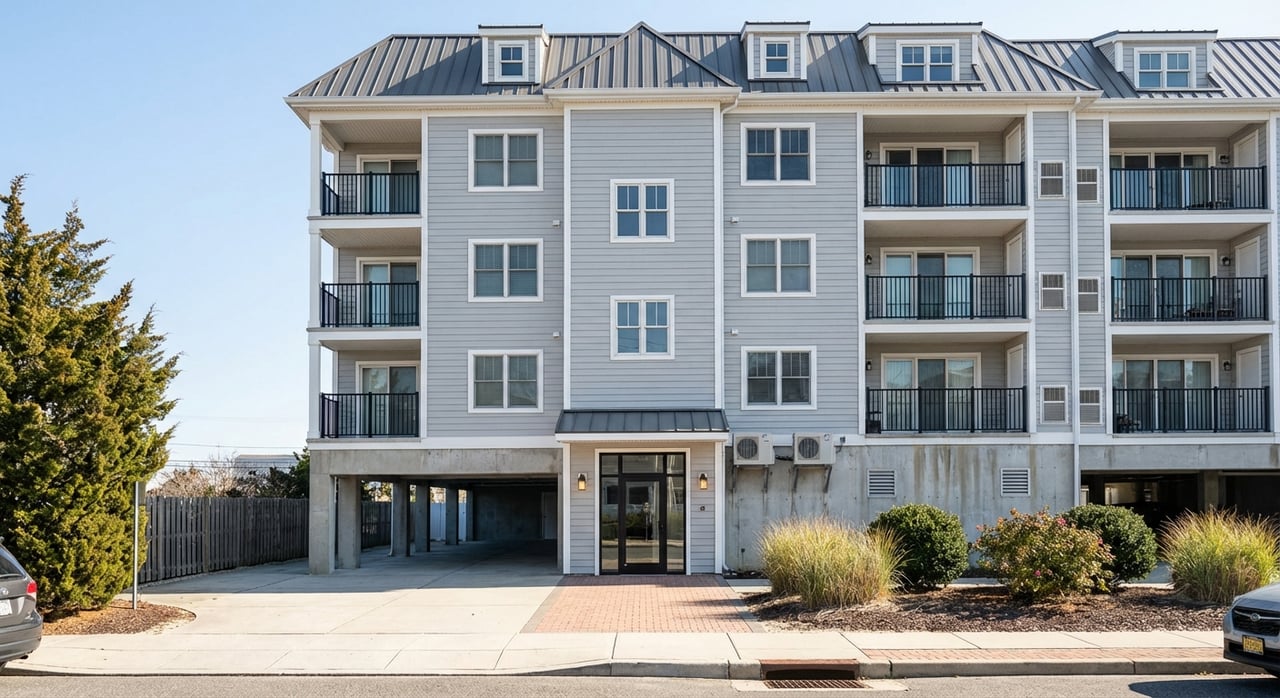
Along Revere Beach Boulevard, you will find mid to high-rise condominium towers that were commonly built from the 1980s through the early 2000s. These often include balconies, fitness rooms, and sometimes pools. Clusters of low-rise condo buildings and converted multi-family properties also sit just off the boulevard, which can mean smaller HOA fees and fewer shared amenities.
Near the Wonderland station, newer transit-oriented development has added mixed-use buildings, apartments, and hotel rooms that keep you close to the train while remaining a quick walk to the sand. Local reporting on Waterfront Square and surrounding projects shows how the area has evolved over the last decade. For context on the neighborhood’s growth, review this Revere Journal coverage.
Neighborhoods near the beach
- Crescent Beach and Oak Island. These oceanfront blocks include many of the larger condo towers and most direct water views.
- Beachmont and the Wonderland area. Immediate access to the Blue Line terminal, active redevelopment, and larger parking and transit infrastructure. These areas can be a touch less expensive than the most direct oceanfront blocks while staying walkable to the beach.
- Inland Revere. Neighborhoods like Sumner Square, Broad Street, and West Revere typically offer lower cost per square foot and more multi-family options. You can reach the beach by a short drive or quick T trip.
What condos and rentals cost
Citywide, the median Revere sale price was about $550,000 as of January 2026, and oceanfront condos typically sit above that because of views and location. On the rental side, the average rent across all unit sizes hovered near $2,600 in mid-February 2026. These figures are snapshots that can shift quickly with new listings and seasonality. Always verify live comps before you bid or sign a lease.
Here is a practical price-band overview to frame your search:
- Studios, compact oceanfront. Roughly low $200k to mid $300k.
- 1-bedroom, beach-adjacent. Roughly $250k to $450k, depending on building and view.
- 2-bedroom with views or on the beach. Roughly $400k to $800k. Full-service buildings and direct ocean views push toward the high end.
- Upscale or penthouse units. Can exceed $800k depending on size and views.
For real-world context, recent listings in well-known oceanfront buildings sometimes show how all-in monthly costs work. A 2-bedroom at St. George Condominiums was recently marketed around $589,000 with a monthly HOA near $971. Many oceanfront associations include heat, hot water, building insurance, and amenities within the HOA, which changes your effective monthly budget. Always confirm precisely what is covered before you compare options.
On the rental side, ocean-facing 2-bedrooms often list in the $2,700 to $3,500 plus per month range, depending on whether parking, heat, and hot water are included and which amenities the building offers. Full-service high-rises may include a pool, fitness room, and garage parking with rent. As with sales, advertised rents can rise in peak summer months.
Practical realities to plan for
Parking, permits, and guest visits
The beach is part of a state reservation with posted rules. Many stretches of Revere Beach Boulevard have time limits, often a 4-hour cap, and the inland side of some blocks may require resident permits. Snow-emergency restrictions apply in winter. If you rely on street parking, learn the local signs before you move. For official rules and seasonal operations, review the DCR Revere Beach Reservation page.
If you plan a mixed car plus T commute, look into Wonderland’s park-and-ride options and whether monthly passes or garage permits are available. For a regional snapshot of facilities, check the CTPS Park and Ride Inventory, then verify current pricing and availability on site.
Storms, flood risk, and insurance
Coastal living brings salt air and sunrise views, and it also brings flood risk that you should factor into your decision. Many Revere properties sit in areas where coastal flooding is possible over the coming decades. Before you commit, confirm a unit’s FEMA flood zone, ask about any building-level mitigation such as raised utilities or flood vents, and understand the history of storm impacts.
If you are buying a condo in a Special Flood Hazard Area, the association often carries a master flood policy called an RCBAP under the National Flood Insurance Program. This typically insures the building structure, while unit owners may still need coverage for contents and finishes. Lenders usually require flood insurance if your unit or building is in a mapped high-risk zone. Get the basics from FEMA’s explanation of a Residential Condominium Building Association Policy, then confirm exact coverage with the association.
Winter commuting and storm operations
During nor’easters and major snow events, the City and DCR post no-parking windows on parts of Revere Beach Boulevard. Waterfront streets are prioritized for snow removal, but severe storms can temporarily reduce access and cause MBTA schedule changes on low-lying segments. In winter, build extra time into your commute, check MBTA service alerts, and keep an eye on local snow-emergency notifications. For reservation operations and seasonal updates, start with the DCR Revere Beach Reservation page.
Building amenities to compare
When you compare oceanfront buildings, line up the amenities and what is included in the HOA or rent. Common features include:
- Private balconies with ocean views
- Deeded or assigned garage parking, or surface spaces
- In-building laundry or hookups
- Indoor heated pool and hot tub
- Fitness room and indoor lounge spaces
- 24-hour security or concierge in some buildings
- Storage lockers and elevator access
If you are comparing two similar price points, the included services like heat, hot water, insurance, and amenities can swing your monthly costs.
Tour checklist: what to ask
Q: Does the condo association carry a master flood policy, RCBAP or private, and what does it cover?
A: Ask for a current certificate of insurance and policy summary, then confirm if unit interior finishes and contents require separate coverage. See FEMA’s RCBAP overview for definitions.Q: What is the monthly HOA and what is included?
A: Confirm heat, hot water, building insurance, and amenities. Ask about reserve funds and any past or upcoming special assessments.Q: How is parking handled?
A: Clarify whether parking is deeded or assigned, if there is guest parking, and if there is a waitlist for garage spaces. For street parking limits and seasonal rules, review the DCR beach page.Q: How close is the Blue Line and which station is the easiest walk?
A: Map the walk to Wonderland or Revere Beach, then check train frequency at your expected commute time. If you plan to drive and ride, review the CTPS Park and Ride Inventory and confirm current garage details.Q: Has the building experienced flood or storm damage recently?
A: Ask about claims history, elevation certificates, and mitigation upgrades such as raised utilities or flood vents. Note the elevation of garages, lobbies, and mechanical rooms.Q: For rentals, what is included and what are the building rules?
A: Confirm whether heat and hot water are included, who handles snow removal, pet policies, and any restrictions on short-term rentals or seasonal beach rules for pets.
How we can help
Buying or renting by the beach is exciting, and it is also a decision where details matter. Our local team knows the north-of-Boston market, oceanfront buildings, and the fine print that can shape your monthly costs and peace of mind. Whether you want a balcony with sunrise views or a quick walk to Wonderland, we will help you compare buildings, confirm coverage and fees, and negotiate with confidence.
Ready to explore Revere Beach living or get answers to your specific questions? Reach out to the team at Coldwell Banker First Quality Realty for personalized guidance, live comps, and on-the-ground advice.
FAQs
What is Revere Beach like for year-round living?
- Revere Beach offers a long, walkable oceanfront with a busy summer calendar and quieter shoulder seasons, plus two Blue Line stations for city access.
How much do oceanfront Revere condos typically cost?
- Ranges vary by building and view, but a helpful frame is low $200k to mid $300k for studios, $250k to $450k for many 1-bedrooms, and $400k to $800k for 2-bedrooms with views.
Are there parking limits along Revere Beach Boulevard?
- Yes. Many oceanfront blocks have posted time limits such as a 4-hour cap, and inland streets may require resident permits. Always follow posted signs.
Do Revere Beach condos require flood insurance?
- If the building or unit is in a FEMA Special Flood Hazard Area, lenders typically require flood insurance. Associations often carry an RCBAP, and owners may still need contents or interior coverage.
Is commuting from Revere Beach to Boston realistic without a car?
- Yes. Wonderland and Revere Beach stations on the Blue Line provide direct T access, and many residents rely on transit for daily commutes.
What amenities are common in oceanfront buildings?
- Many buildings offer balconies, garage or assigned parking, fitness rooms, pools, storage, and elevator access. Some include heat and hot water in HOA or rent.