Thinking about selling your Everett home? The price you choose on day one can make or break your results. In a fast-moving, Boston-adjacent market like Everett, buyers judge value quickly and the first listing price shapes everything that follows. In this guide, you will learn how to set a data-backed price, account for Everett’s micro-markets, and use the crucial first 14 days to your advantage. Let’s dive in.
Why day-one pricing matters in Everett
Everett sits just north of Boston, near major employment centers and regional transit. That location draws steady buyer interest, which is great for you if your price is aligned with current demand. Your launch price anchors buyer expectations, impacts search visibility, and influences showing activity. Getting it right at the start helps you attract the most qualified buyers and negotiate from strength.
Understand Everett micro-markets
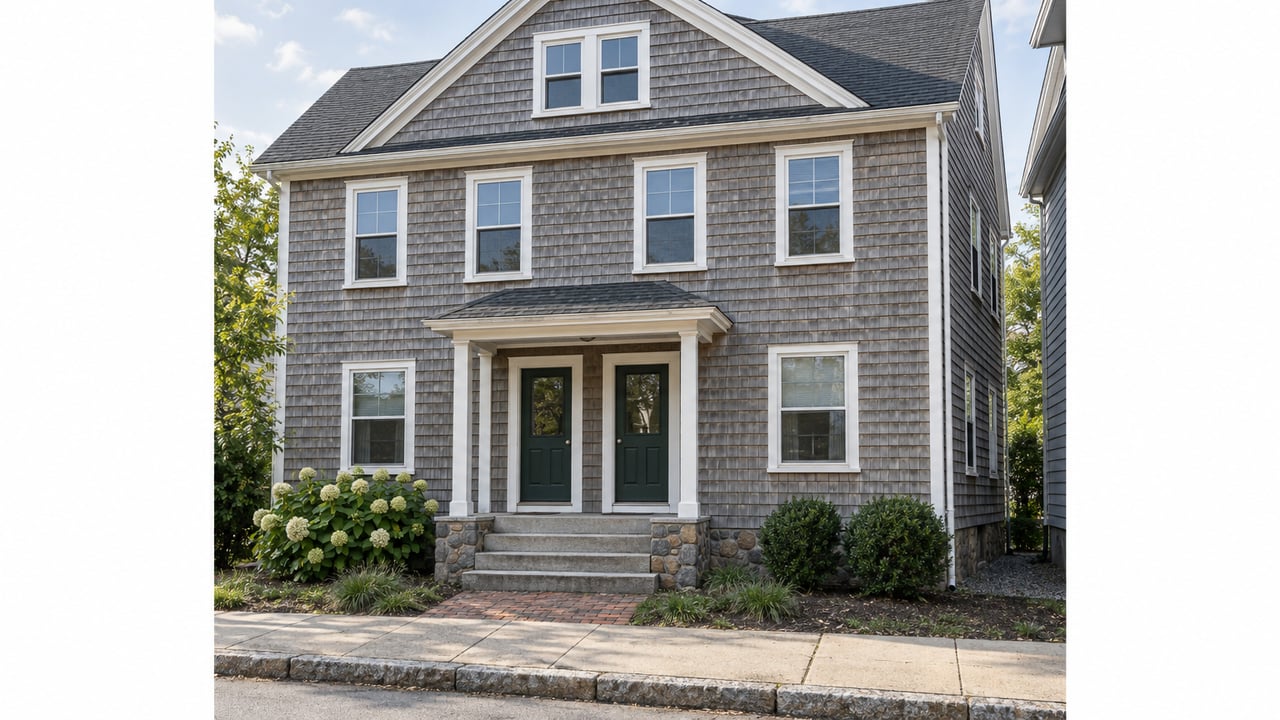
Everett is a mix of single-family homes, condos, and multi-family properties, and each behaves differently. Waterfront and redevelopment areas can command premiums compared with inland blocks, especially when views, new amenities, or easy transit access are in play. Proximity to MBTA connections and commute routes is a key value driver across property types. If you are selling a multi-family, expect investors to evaluate the price by income and cap rate, while owner-occupant buyers focus on layout, finishes, and convenience.
Build a data-backed CMA
A Comparable Market Analysis is your pricing foundation. Start with recent closed sales from the past 90 days in your immediate neighborhood, then compare by size, beds and baths, age and condition, lot size, parking, and updates. Look at active and pending listings too, since they reveal your current competition and what buyers are considering at your price point.
Use multiple sources for accuracy. The local MLS, Massachusetts Association of Realtors market reports, and City of Everett property records help you confirm recent sales, price per square foot, assessed details, and trends over 3, 6, and 12 months. Public research portals can offer quick snapshots, but you should validate those with MLS-grade data. For multi-family properties, include rent rolls, expenses, and a basic cap-rate analysis in your CMA to support your ask.
Choose a pricing strategy
Pricing is not one-size-fits-all. Choose an approach that fits your home, your goals, and current inventory.
- Market-value pricing. You list near the CMA conclusion. This typically attracts qualified buyers and produces offers close to list price in a balanced market.
- Aggressive pricing. You list slightly under market to spark strong traffic and potential multiple offers. This can work when inventory is very limited and demand is high, especially near transit or newer amenities.
- Premium pricing. You test above recent comps when inventory is extremely thin. This can slow showings and lengthen days on market if buyers see better value elsewhere.
- Planned reduction strategy. Starting high and dropping later often backfires. Multiple reductions can reduce buyer confidence and invite bargain hunting.
A practical rule: if you need a quick sale, lean toward market-value or slightly under. If you have time and the comp pool is thin, you can test a premium, but have a clear fallback plan if early activity is weak.
Price psychology and the first 14 days
Most buyer interest happens in the first two weeks. New listings rank high in alerts, and serious buyers tour fast. That is why the launch price is so important. If you miss the mark, you risk a quiet start and a price cut later.
Use price bands wisely. Buyers search in rounded filters like $500,000 or $700,000. Pricing just under a threshold can increase your visibility to a larger pool of buyers. Review showing feedback closely. Low traffic or comments about better value nearby are signals that pricing or presentation needs a tune-up.
Prep and presentation to support your price
Your price is only as strong as your presentation. Focus on high-ROI, low-cost updates that improve perceived value.
- Declutter, deep clean, and paint in neutral tones.
- Handle minor repairs and finish details like light fixtures and hardware.
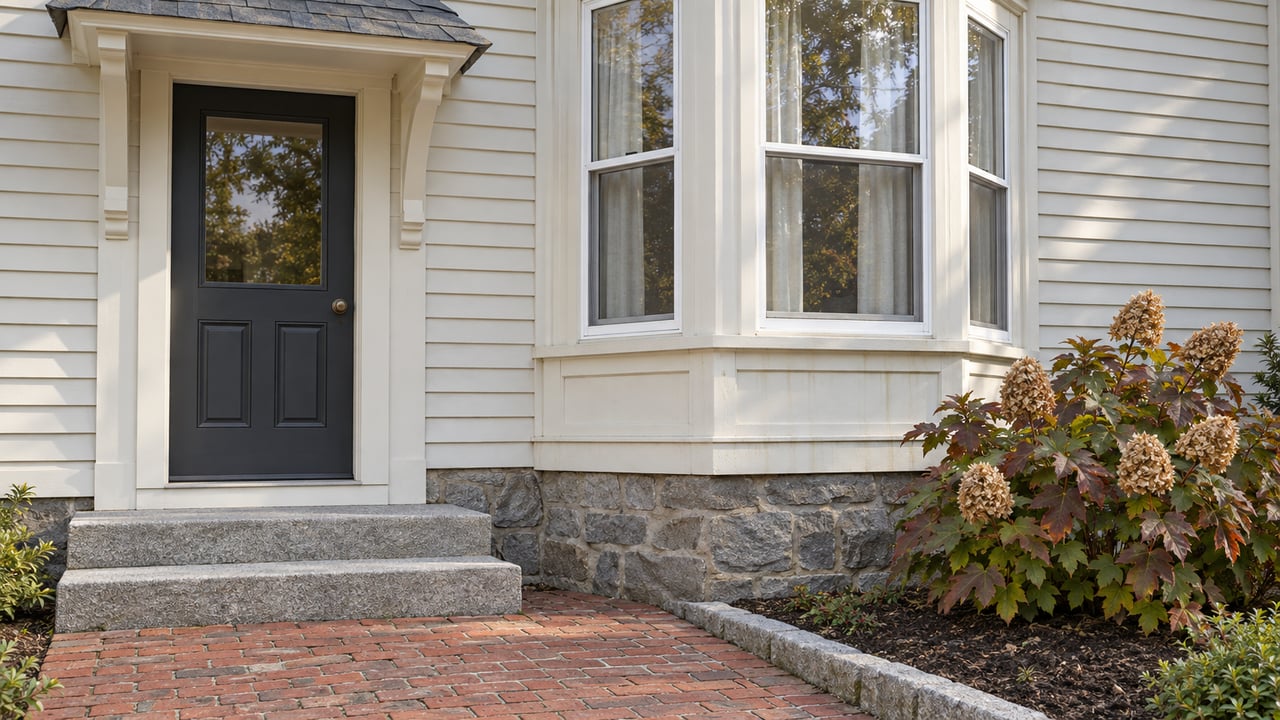
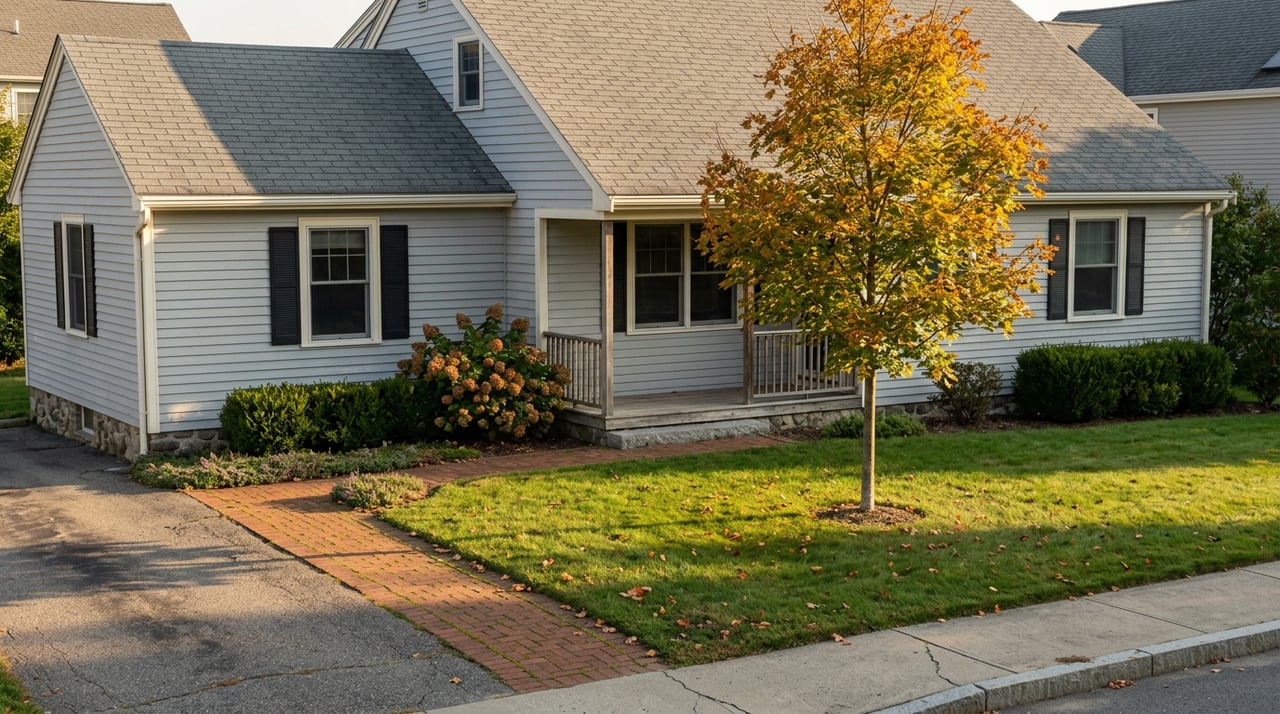
- Boost curb appeal with tidy landscaping and a fresh front door.
- Use professional photos, a floor plan, and a virtual tour to maximize online appeal.
- Consider staging, full or partial. Staged homes often sell faster and closer to list price, especially condos and single-family homes.
If your home has known issues, decide whether to repair before listing or price accordingly. For major items like roof, HVAC, or foundation, documented repairs and permits can justify a stronger ask.
Appraisal and financing realities
If a buyer is using a mortgage, the property must appraise near the purchase price. When your price pushes beyond recent comparables, you risk an appraisal shortfall. That does not mean you cannot achieve a higher price, but you should prepare your strategy.
Work with your agent to assemble recent comps and a list of updates that support value. If a shortfall occurs, you can renegotiate, explore appraisal gap coverage from the buyer, or adjust terms like credits and closing date. For multi-family deals, clear financials help appraisers and buyers understand income-based value.
Monitor, adjust, and negotiate
Set clear metrics for the first 7 to 14 days after launch. Track portal views and saves, showings per week, and showings-to-offer conversion. Compare your time on market with local days on market benchmarks for your property type. If activity is slow despite solid marketing, revisit your CMA and consider a measured price adjustment.
Avoid a pattern of small cuts. One strategic change, backed by fresh comps and feedback, usually works better than multiple small reductions. When offers arrive, remember that terms can be as powerful as price. Flexibility on closing date, occupancy, or certain contingencies can bridge small pricing gaps and protect your net.
Regulatory items to confirm before pricing
Review required disclosures and local rules that can affect value or timing. Federal lead paint disclosures apply to homes built before 1978. Confirm local permitting, zoning, and any occupancy requirements. Everett is primarily on municipal sewer, but if a property is on septic, make sure you understand Title V inspection needs. Laws and forms can change, so confirm details with your listing agent or a Massachusetts real estate attorney.
Seasonality and timing in Everett
Greater Boston often sees more listings and buyer activity in spring, with steady movement around employment cycles. If you plan to sell outside peak months and want a faster sale, a slightly more aggressive price can help. In all seasons, transit access and proximity to new amenities can keep demand stable for well-presented homes that are priced right.
Your pre-listing pricing checklist
- Request a neighborhood-specific CMA with closed, pending, and active comps from the past 90 days.
- Pull municipal records for lot size, assessed value, and tax info, then confirm accuracy.
- Decide on your pricing approach and a fallback plan if activity is weak after two weeks.
- Set your target net proceeds and acceptable terms, including timing and contingencies.
- Complete high-ROI prep: cleaning, minor repairs, curb appeal, staging.
- Invest in professional photos, a floor plan, and a virtual tour before launch.
- For multi-family: prepare rent rolls, leases, expense statements, and basic cap-rate math.
- Discuss appraisal strategy and documentation to support your list price.
What to do next
If you are planning a sale in Everett, start with a hyper-local CMA and a clear launch strategy. Align your price with current inventory and buyer expectations, then make your first two weeks count with strong presentation and responsive adjustments. When you need trusted guidance from advisors rooted in the north-of-Boston market, our neighborhood team is here to help.
Connect with the local experts at Coldwell Banker First Quality Realty to get your pricing plan, a data-backed CMA, and professional marketing that reaches buyers across Greater Boston. Get your instant home valuation, map out your timeline, and launch with confidence.
FAQs
How important is the first list price in Everett?
- It is critical because it anchors buyer perception, drives early showings, and influences whether you receive your best offers in the first 7 to 14 days.
Should I price slightly below market to spark multiple offers?
- It can work in low-inventory, high-demand moments, but in a balanced or cooling market it may leave money on the table, so confirm with your CMA and current competition.
How long should I wait before reducing my price?
- Monitor activity for the first 7 to 14 days; if showings and feedback are weak, use a strategic, data-backed adjustment rather than multiple small reductions.
Will a pre-listing inspection help me price my home?
- Yes, it can reduce buyer uncertainty, help you decide which repairs to complete, and provide documentation that supports your asking price.
How do appraisals affect my final sale price?
- If your agreed price exceeds recent comps, a financed buyer may face an appraisal gap that could require renegotiation, cash coverage, or adjusted terms.