Thinking about selling your Malden home this spring but not sure if you should list it as-is or make updates first? You’re not alone. In a competitive north-of-Boston market, that choice affects your timeline, buyer pool, and bottom line. In this guide, you’ll learn how Malden’s market dynamics influence the decision, which fixes deliver the best return, and a simple way to estimate ROI before you spend a dollar. Let’s dive in.
What “as-is” really means in Malden
Selling as-is means you are not agreeing to make repairs. Buyers can still inspect, appraise, and negotiate. If a buyer uses financing, the property still needs to meet lender and appraiser standards for safety and habitability. That is why significant issues like roof leaks, unsafe electrical, or active water damage often become deal breakers for many loans.
Malden attracts a mix of first-time buyers, young professionals commuting via the MBTA Orange Line, small families, and investors. Owner-occupants typically want move-in ready. Investors and rehabbers are more comfortable with as-is, but they expect a discount that reflects repair costs and risk.
When selling as-is works
Selling as-is makes sense when you value speed and simplicity over squeezing every last dollar. If you face major repairs, a tight timeline, or you prefer to avoid construction, as-is can be a strong option. Cash buyers and local rehab investors often offer quick closes with fewer contingencies in exchange for a lower price.
It can also work for multi-family properties where investors plan to renovate units over time. In those cases, buyers will underwrite capital needs and price accordingly. A pre-listing inspection and full disclosures can build trust and reduce renegotiation, even in an as-is sale.
When fixing first pays off
If competing homes in your price range are updated and move-in ready, targeted improvements can widen your buyer pool and improve your sale price. In Malden and greater Middlesex County, many buyers commute to Boston and want clean, safe, updated spaces with functioning systems. Small upgrades can make a big difference in online photos, showings, and offers.
In tighter, low-inventory conditions, buyers may overlook minor cosmetic issues. In a balanced market, move-in ready wins more often. Ask your agent to confirm months of supply and days on market so you can match your strategy to current conditions.
Repairs that deliver ROI
Safety and systems first
Fix items that can block financing or scare buyers. These include roof leaks, major foundation cracks, active water intrusion, pest issues, outdated or unsafe electrical like knob-and-tube, and unpermitted work. Make sure heat and hot water function properly and consider servicing older systems so you can show recent maintenance records.
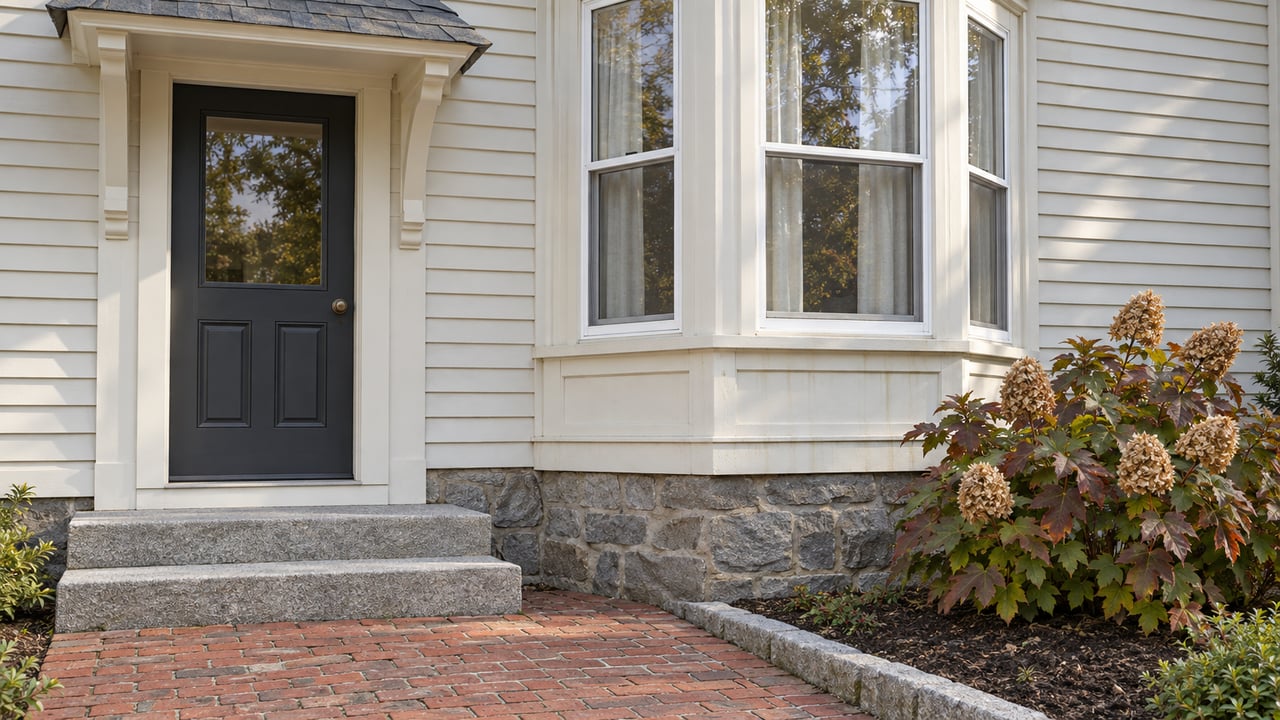
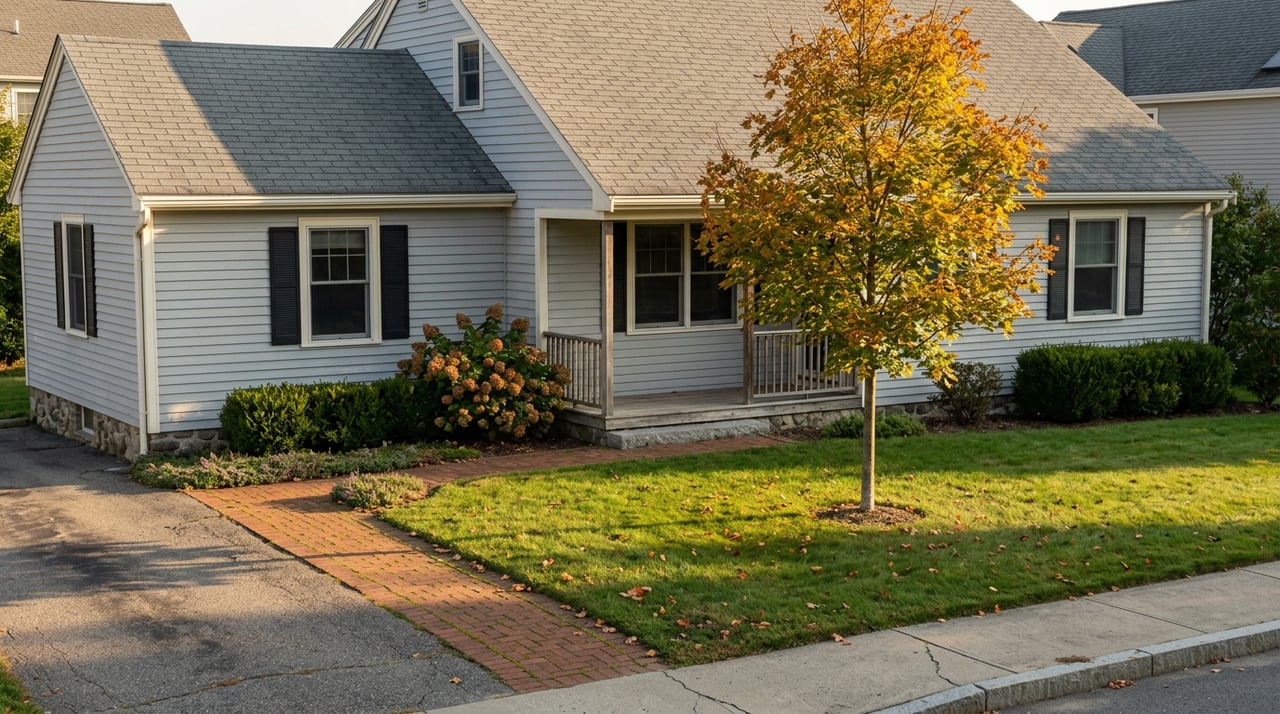
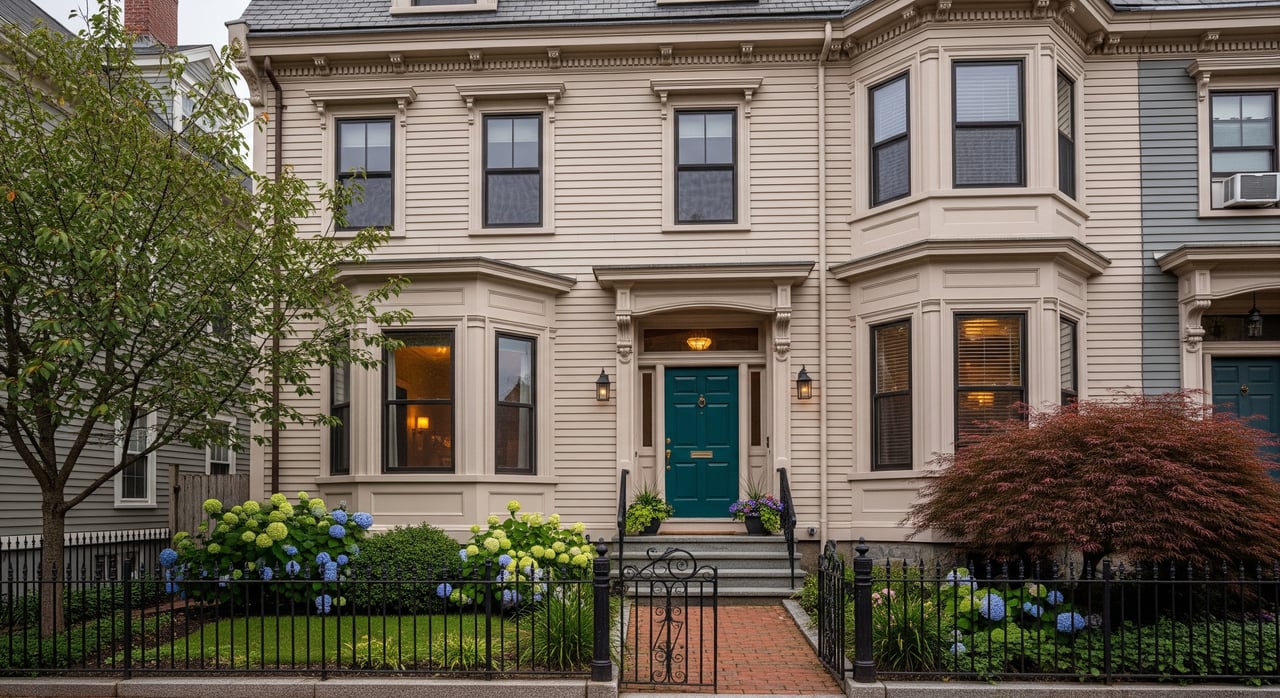
Boost first impressions with simple curb appeal steps. Power wash, trim shrubs, repair gutters, touch up exterior paint, and refresh the front door. In dense suburban neighborhoods, buyers notice the approach and entry right away.
High-impact cosmetic updates
Focus on affordable, visible changes that photograph well and feel fresh at showings:
- Neutral interior paint and clean trim
- Refinished hardwoods or replaced worn carpet
- Minor kitchen refresh like hardware, lighting, painted cabinets, or new counters
- Bathroom tune-ups like re-grouting, new vanity or fixtures, fresh caulk, and better lighting
- Brighter bulbs and simple modern fixtures
These updates usually offer strong near-term ROI without long timelines.
Case-by-case big-ticket items
Full luxury remodels, major additions, or whole-system replacements can raise the top-line price, but the percentage return is often lower and the timeline longer. If a roof or HVAC is near the end of life, consider quotes and timing. In some cases, offering a repair credit or a home warranty is more practical than doing the work ahead of listing.
Multi-family priorities
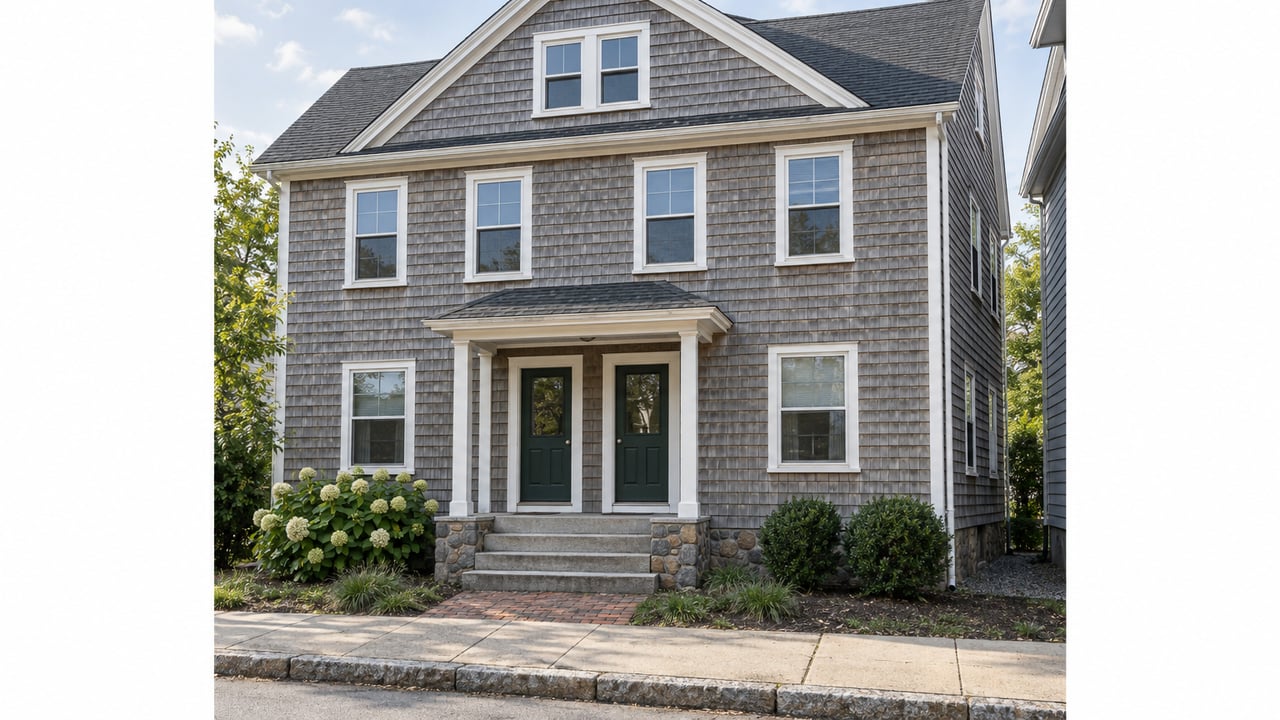
For Malden’s many two- and three-family homes, safety and legality come first. Resolve code issues, confirm unit status, and disclose any unpermitted work. Investors often accept cosmetic projects if the building is safe, systems are functional, and documentation is in order. Separate utilities, updated windows, and clean kitchens and baths help marketability and rental value.
How to estimate ROI with local comps
Use this step-by-step method to decide if you should sell as-is or do targeted updates.
- Gather comps
- Pull 6 to 12 recent sales within Malden and nearby streets with similar bed and bath count, age, and lot size. Include active and pending listings to understand current competition. Note each home’s condition as move-in ready, updated, cosmetic fixer, or full rehab.
- Assign a condition premium
- Compare price per square foot for updated homes versus fixers to estimate a local condition premium. Alternatively, calculate the median price gap between move-in ready and as-is sales. Your agent or an appraiser can help fine-tune this for your specific location and property type.
- Get contractor estimates
- Obtain two to three local quotes for the scope you are considering. Include materials, permits from the Malden Building Department where required, and timelines. Add soft costs like design, staging, temporary housing if needed, and insurance.
- Calculate the net gain
- Project your as-is sale price and your updated sale price. Incremental gain equals updated price minus as-is price. Subtract all costs: repairs, carrying costs during the work, selling costs on the higher price, and staging or marketing. If the net is positive and the work fits your timeline, move forward. If not, consider as-is or buyer credits.
- Run scenarios
- Build conservative, moderate, and optimistic price outcomes. Ask your agent to weigh the likelihood of each based on current inventory and buyer demand.
- Consider life factors
- Weigh time, stress, permit timing, and your relocation plans. Sometimes a slightly lower net is still the right choice if it lets you move on your schedule with fewer headaches.
Timing your spring sale
Spring is typically peak season in Malden and much of Middlesex County. Early spring listings often see stronger traffic, but the best timing depends on current inventory and mortgage rates. If you plan updates, work backward from your ideal list date and build in time for permits, scheduling, and any weather-sensitive exterior work.
If the market is tight with low inventory, simple cosmetic updates may be enough. If competition rises, aim for a move-in ready presentation to stand out.
As-is options and tradeoffs
- Sell to investors or rehabbers: Faster closings and fewer contingencies, but expect a lower sale price that reflects repair costs and profit margin for the buyer.
- Sell as-is to owner-occupants: A larger buyer pool than investors alone, yet inspections and appraisals may still trigger requests for credits or repairs. Transparency helps reduce renegotiation.
- Offer credits instead of doing work: This can be attractive to buyers who want to choose finishes. Many still prefer completed work, so balance credit size with buyer expectations in your price range.
- Pre-listing inspection and full disclosures: Increases trust and can reduce surprises later, even in an as-is sale.
- Renovation loans or seller financing: Possible, but more complex. Consult your agent and attorney before choosing this path.
Permits, disclosures and logistics
In Malden, most structural, electrical, plumbing, and significant mechanical work requires permits and final inspections. Keep records of permits and final sign-offs. Unpermitted work can create delays or require remediation before closing, so disclose known issues.
For homes built before 1978, follow federal and state lead paint disclosure rules. If you are selling a multi-family, make sure leases and occupancy records are current and comply with local requirements. Organized documentation improves buyer confidence and can support a smoother appraisal.
A simple decision checklist
- Market check: Ask your agent for live Malden data on inventory, days on market, and recent sale trends.
- Prioritize repairs: Safety and code, then systems, curb appeal, kitchens and baths, and finally cosmetics.
- CMA by condition: Request a comparative market analysis showing as-is value, modest updates value, and full-remodel value using local comps.
- Quotes and inspection: Get at least two contractor bids and consider a pre-listing inspection to uncover hidden issues.
- Run the ROI: Use conservative, moderate, and optimistic price scenarios and include all costs and time.
- Choose the path: Do selective high-ROI updates if the net is positive and time allows, or sell as-is if repair costs exceed likely price uplift or you need speed. Consider buyer credits when small fixes are feasible but inconvenient.
- Document everything: Permits, receipts, warranties, service records, and inspection reports reduce risk and build trust.
Ready to decide your path?
You do not have to guess. A local advisor can price your home in condition tiers, connect you with trusted contractors, and build a clear timeline to hit the spring market. If you prefer an as-is sale, the right strategy can still maximize your net with strong marketing and smart negotiation.
If you are weighing your options in Malden or nearby north-of-Boston suburbs, our local, multilingual team is here to help. Start with a quick conversation and a data-backed valuation, then choose whether to touch up, refresh, or sell as-is. Connect with Coldwell Banker First Quality Realty to get your plan and Get Your Instant Home Valuation.
FAQs
What does selling a Malden home “as-is” legally mean?
- You are not agreeing to make repairs, but buyers can still inspect and appraise; lenders may require safety or habitability fixes before approving a loan.
Will lenders finance a Malden house with issues?
- Major safety, structural, or habitability problems can trigger lender-required repairs or denial, especially for FHA, VA, or standard conventional loans.
Which pre-listing repairs offer the best ROI in Malden?
- Address safety and systems first, then focus on paint, flooring, minor kitchen and bath updates, lighting, and curb appeal for strong near-term impact.
Should I get a pre-listing inspection before selling in Malden?
- Yes if you suspect hidden issues; it helps you prioritize repairs, price accurately, and reduce renegotiation risk even in an as-is sale.
How do I estimate ROI on updates for a Malden home?
- Compare updated versus as-is local comps, get two to three contractor bids, factor carrying and selling costs, then run conservative to optimistic price scenarios.
What changes if I’m selling a Malden multi-family?
- Focus on safety, code compliance, clear unit status, and documentation; investors may accept cosmetic work if building systems are sound and records are complete.
When is the best time to list a home in Malden?
- Spring typically brings stronger buyer activity, but your best timing depends on current inventory, competition, and how long updates would take to complete.