Want to live close to Boston while your tenants help pay the mortgage? Many buyers in Revere do exactly that by house hacking a 2–3 family property. If you want lower housing costs, hands-on experience as a landlord, and a path to long-term equity, this guide is for you. You’ll learn the financing options, legal checks, cash-flow basics, and coastal considerations specific to Revere. Let’s dive in.
House hacking, defined
House hacking means you live in one unit and rent out the other unit or units to offset your mortgage and expenses. With 2–3 family properties, you often have stronger rent potential than a single-family with an accessory unit, but you also take on more responsibilities. You’ll manage tenants, track expenses, and comply with building, safety, and rental rules.
Why 2–3 units can work
- More rent potential than a single-unit setup.
- Owner-occupied financing options can allow lower down payments.
- You build equity over time while learning small-scale property management.
Why Revere suits house hackers
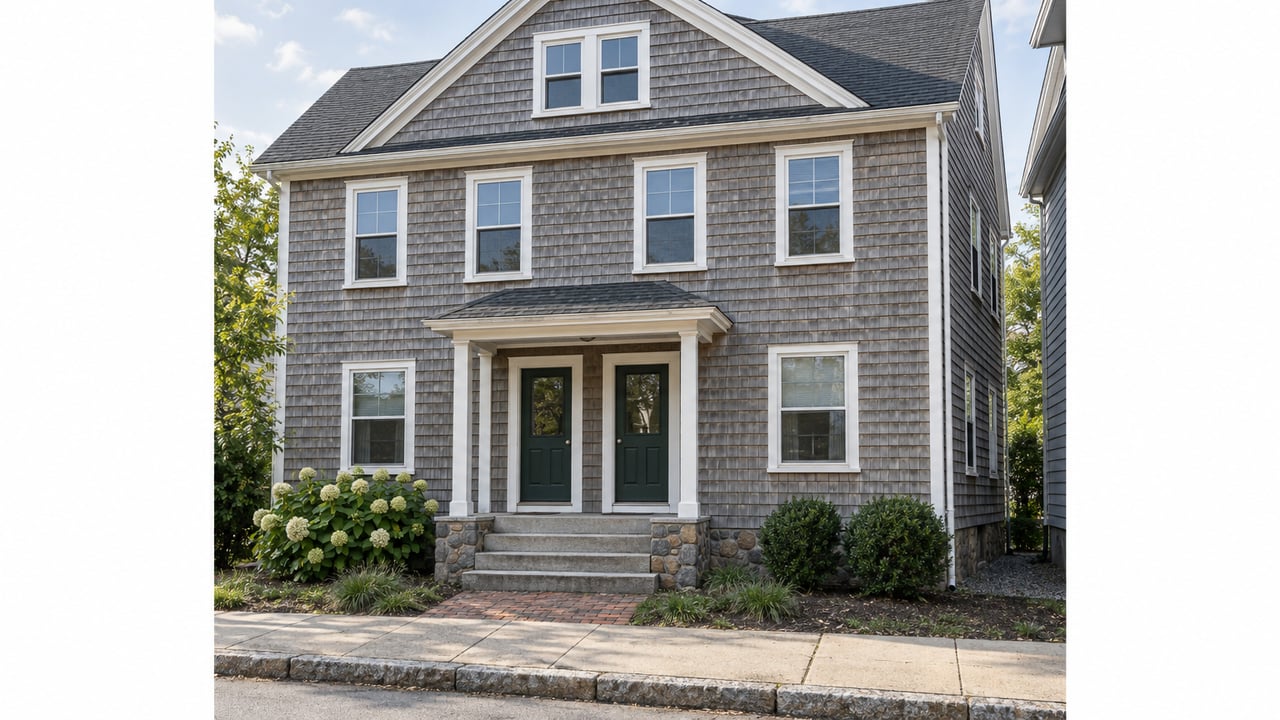
Revere offers quick access to Boston, Logan, and the North Shore. Blue Line stations and bus routes make the commute straightforward for many renters, which supports demand. You’ll also find a broad mix of duplexes and triple-deckers that fit the 2–3 family plan.
Commute and demand drivers
Transit access draws commuters and students who value predictable travel to Boston employment centers. That keeps interest in well-maintained units near stations and major corridors strong. Location, parking, and unit condition influence rent levels.
Coastal and flood factors
Revere’s waterfront neighborhoods can offer strong appeal, but coastal exposure adds risk. Some areas may sit in FEMA Special Flood Hazard Areas. If a lender requires flood insurance, factor that into your monthly budget and long-term planning.
Older housing stock reality
Many Revere multifamilies are older wood-frame buildings. That brings character and, at times, higher maintenance needs. Pre-1978 homes may involve lead-paint rules, and older systems can require updates to meet safety and energy standards.
Financing 2–3 unit purchases
Your loan choice shapes affordability and terms. Owner-occupants have several options to explore with lenders.
- FHA loans: Often allow lower down payments for 2–4 unit owner-occupied properties. You must live in one unit as your primary residence.
- VA loans: Eligible veterans can finance 2–4 units with no down payment in many cases, as long as they occupy one unit.
- Conventional loans: Fannie Mae and Freddie Mac back 2–4 unit loans for owner-occupants. Expect different down payment, reserve, and underwriting requirements than for single-family.
- State assistance: Massachusetts programs like MassHousing and Massachusetts Housing Partnership may offer first-time buyer and down payment assistance. Check current program terms and eligibility.
Loan limits and guidelines change. Confirm details, rates, and limits with a local lender before you shop.
Cash-flow example (simple sketch)
Here’s a hypothetical to show the math. Your numbers will differ based on purchase price, rate, taxes, insurance, utilities, and rents.
- Triplex: You live in one unit. Two rental units at $2,000 each = $4,000 gross monthly rent.
- Vacancy allowance (5%): $200
- Operating costs: insurance, taxes, water/sewer, maintenance, common electric (example) = $1,250
- Net income before mortgage: $4,000 − $200 − $1,250 = $2,550
- If your monthly mortgage payment is $3,300, your out-of-pocket after rent offset is roughly $750.
This is only an illustration. Actual rents, expenses, insurance premiums, and taxes vary by property and location. Always build in a reserve for big-ticket items like roof, heating systems, and exterior work.
Legal and code basics in Revere
Getting the legal side right protects you and keeps your investment on track. Plan to verify everything early.
Zoning and unit legality
Confirm that the property is legally a 2–3 family and has the proper Certificate of Occupancy. Some buildings have nonconforming or unpermitted units. The Revere Zoning Ordinance and Building Department can verify status and guide next steps.
Building and life safety
Massachusetts State Building Code applies. Pay careful attention to fire separation, egress, smoke and carbon monoxide detectors, and any energy requirements for renovations. Permits and inspections are required for conversions or major work.
Lead paint and health rules
If the building was built before 1978, federal and state lead laws apply. The Massachusetts Department of Public Health and the Revere Board of Health offer guidance on inspections and lead-safe compliance, especially if children may live in a rental unit.
Landlord–tenant basics
Massachusetts law governs security deposits, habitability, rent collection, and evictions. Security deposits have strict rules on handling and accounting. Notice periods and the summary process for eviction follow state statute and case law. Anti-discrimination duties apply under federal law and Massachusetts Chapter 151B. When in doubt, consult a local attorney.
Short-term rentals
If you plan any short-term rental activity, review state tax requirements and any Revere registration, safety, or inspection rules. Short-term rentals can trigger different obligations than traditional leases.
Due diligence checklist for Revere
Use this list to structure your evaluation before and after making an offer.
Pre-offer
- Confirm legal unit count and Certificate of Occupancy with the Revere Building Department.
- Review zoning status, any nonconformity, and outstanding violations.
- Request rent roll, leases, security deposit records, and rent payment history.
- Review lease expirations, tenant-at-will status, and current vacancy.
- Ask for seller disclosures, repair history, and utility bills to estimate operating costs.
Inspections and reports
- General home inspection: structure, foundation, roof, exterior.
- Mechanical systems: boilers, heating, hot water, electrical, plumbing.
- Pest and wood-rot inspection if needed.
- Lead inspection/lead-safe status for pre-1978 buildings.
- Flood-risk check via FEMA maps and local flood-plain resources.
- Smoke/CO detectors and egress verification in each unit.
Lease and tenant compliance
- Confirm written leases, security deposit accounting, and habitability compliance.
- Check for tenant complaints, pending evictions, or rent disputes.
Post-purchase planning
- Utilities: Determine if units have separate meters or how you will allocate shared utilities.
- Parking, laundry, and storage: Small improvements can lift rent and tenant satisfaction.
- Property management: Decide whether to self-manage or hire a local manager. Compare time, cost, and responsiveness.
Operating as an owner–landlord
Being on-site can make you a more effective manager. It can also blur lines if expectations are not clear. Set consistent policies and communicate regularly.
- Tenant screening: Use uniform criteria that follow fair housing laws. Verify income, credit, and rental history consistently for every applicant.
- Maintenance: Build a monthly reserve and schedule seasonal tasks. Address issues promptly to avoid bigger repairs.
- Documentation: Keep organized records for leases, deposits, rent, and repairs. It helps with taxes and protects you in disputes.
Risks, trade-offs, and exits
House hacking has many upsides, but it is not passive on day one. Be honest about your time, temperament, and cash cushion.
Pros
- Lower effective housing cost and potential for equity growth.
- Access to owner-occupied loan programs.
- Real-world landlord experience and long-term rental income potential.
Cons
- Tenant issues, vacancies, and maintenance surprises.
- Older Revere properties may require capital projects.
- Coastal and flood exposure can raise long-term risk and insurance costs.
Exit paths
- Keep and rent your unit after moving out.
- Refinance to tap equity for improvements or future purchases.
- Sell when market conditions align with your goals.
Next steps and local help
If house hacking in Revere fits your goals, start with three calls: a local lender to confirm financing and payment scenarios, the Revere Building Department to verify unit legality and permits, and a CPA for tax planning. Then tour properties with an eye on rent potential, safety, and flood exposure, and move quickly on inspections and documentation.
When you are ready, partner with a team that knows Revere and the north-of-Boston multifamily market. The agents at Coldwell Banker First Quality Realty can help you source opportunities, evaluate rent potential, coordinate inspections, and plan for management so you can buy with confidence.
FAQs
Can I buy a 2–3 unit with a low down payment in Revere?
- Yes, many owner-occupants use FHA, VA, or certain conventional programs for 2–4 unit properties, but you must live in one unit and meet current lender guidelines.
Is it legal to convert a basement into a rental unit in Revere?
- Only if it meets zoning, building code, egress, ceiling height, ventilation, and permit requirements; always consult the Revere Building Department before planning a conversion.
How do I estimate rent for a unit in Revere?
- Review current local listings, compare similar size and condition near transit, and speak with a local property manager or experienced agent for on-the-ground insights.
What landlord–tenant rules should I know in Massachusetts?
- Security deposit handling is strict, habitability standards apply, and eviction follows summary process; fair housing protections are enforced under federal and state law.
What extra risks come with coastal Revere properties?
- Some areas may require flood insurance and carry higher storm and salt exposure risk; check FEMA flood maps and budget for insurance and maintenance accordingly.