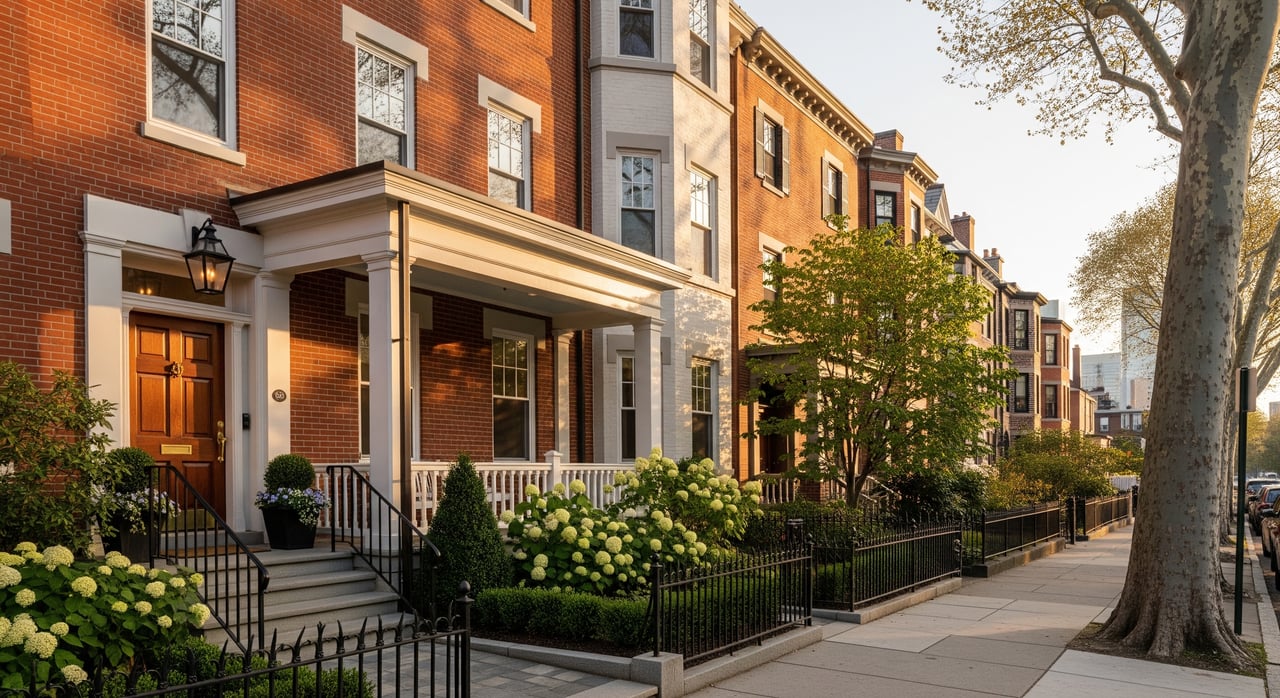
Thinking about a north-of-Boston city where your commute is easy and weekends feel outdoorsy? If you want reliable transit, diverse dining, and more housing options than some pricier core neighborhoods, Malden is worth a closer look. In this guide, you’ll get a feel for neighborhoods, commute times, parks, schools, and typical prices so you can decide if Malden fits your plans. Let’s dive in.
Where Malden fits in Greater Boston
Malden sits about 5 to 7 miles north of downtown Boston. It is a mid-sized city with roughly 66,000 residents and a dense, mixed urban-residential feel. The city is known for its cultural and linguistic diversity, with long-time residents and newer commuters living side by side. For a quick snapshot, see the 2020 figures on the U.S. Census QuickFacts page for Malden.
Neighborhoods at a glance
Malden combines a walkable core with quieter residential pockets. Here’s how the main areas tend to feel.
Downtown / Malden Center
This is the transit and civic hub. You’ll find a walkable grid, mid-rise apartments and condos, and a growing mix of restaurants along Pleasant Street and Main Street. It is popular with commuters who want a short Orange Line ride.
Oak Grove and North Malden
Oak Grove is the northern terminus of the Orange Line. The area blends apartment buildings with tree-lined residential streets and offers park-and-ride convenience. It is a good base for commuters who prefer to drive to the station.
Ferryway and Forestdale
These residential neighborhoods feature a mix of single-family homes and 2–3 family properties. Some blocks are near the Middlesex Fells, which makes quick after-work hikes easy. Local playgrounds and athletic fields add to the day-to-day convenience.
Maplewood, Edgeworth, and Bellrock
You’ll see older Victorians, mid-century homes, and classic two- and three-family buildings. There are pockets with a close-knit neighborhood feel. Commercial corridors provide everyday services within a short drive.
Fellsmere and Riverside
These areas sit near Fellsmere Park and the Malden River. Housing types are varied, and the riverfront has seen planning attention for greenway and redevelopment. It offers a balance of green space access and city convenience.
Getting around: MBTA, driving, biking
Malden is served by the MBTA Orange Line at Malden Center and Oak Grove. Typical ride times to downtown Boston stations often range from about 12 to 25 minutes, depending on where you board and your transfer. Check the Malden Center station page, the Oak Grove station page, and the Orange Line schedule for current times.
MBTA bus routes connect neighborhoods to both stations and nearby communities. Driving to downtown can take 20 to 40 minutes depending on traffic, and parking is tighter in the core. Many residents mix transit with walking or biking for errands and commuting.
Parks and outdoor life
Access to the Middlesex Fells Reservation is a major draw. The Fells offers miles of trails for hiking, trail running, and mountain biking in designated areas, all just minutes from Malden. Learn more on the Massachusetts DCR page for the Middlesex Fells.
Inside the city, Fellsmere Park and Pine Banks Park provide fields, playgrounds, and open space. High Rock Park and High Rock Tower are local landmarks with views. The Malden River corridor has a growing riverwalk presence, and the city calendars often feature community events and recreation programs on the City of Malden website.
Schools and childcare
Malden Public Schools serves the city with multiple elementary schools, a middle school configuration, and Malden High School. Academic outcomes vary by school and year, so it helps to review the latest Massachusetts DESE district report cards for test scores and graduation rates. You can explore current metrics on the DESE report card site.
Daycare centers and preschool options exist across the city, though availability and waitlists can change. For higher education access, you are a quick transit ride to universities and community colleges in Boston and Medford. Always check district assignment maps and enrollment details with the city and district before you buy.
Housing types and price ranges
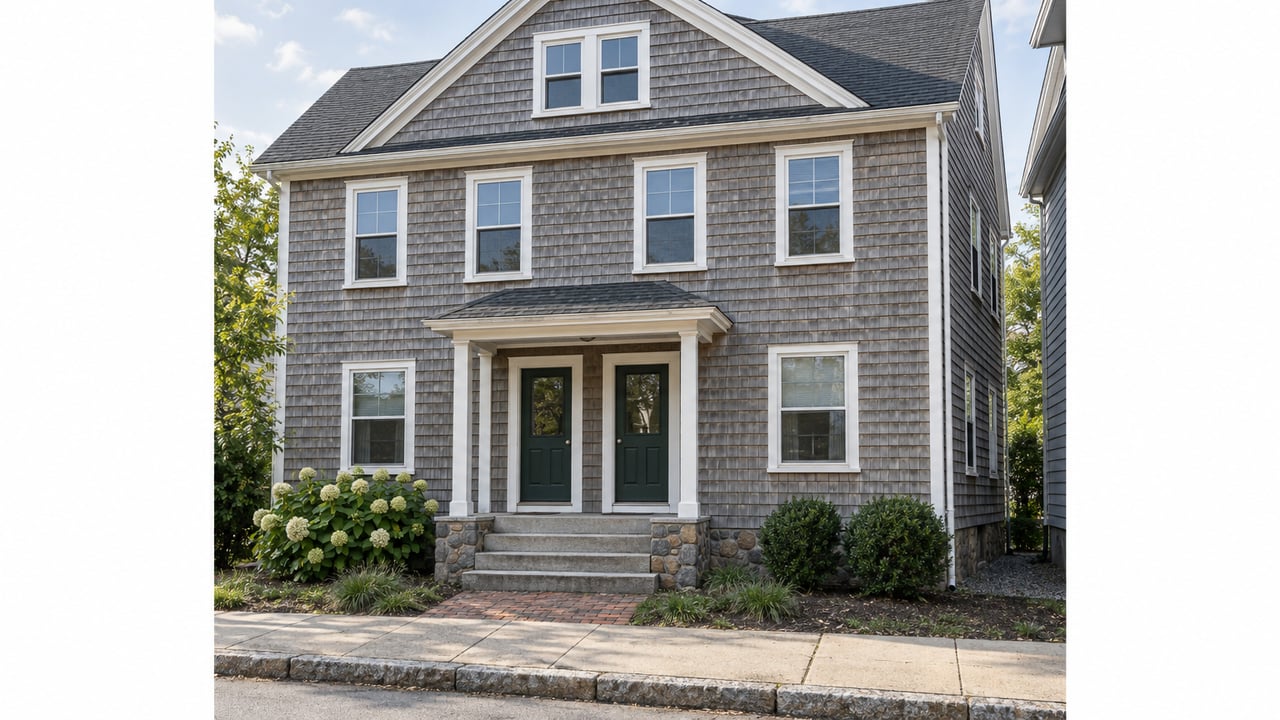
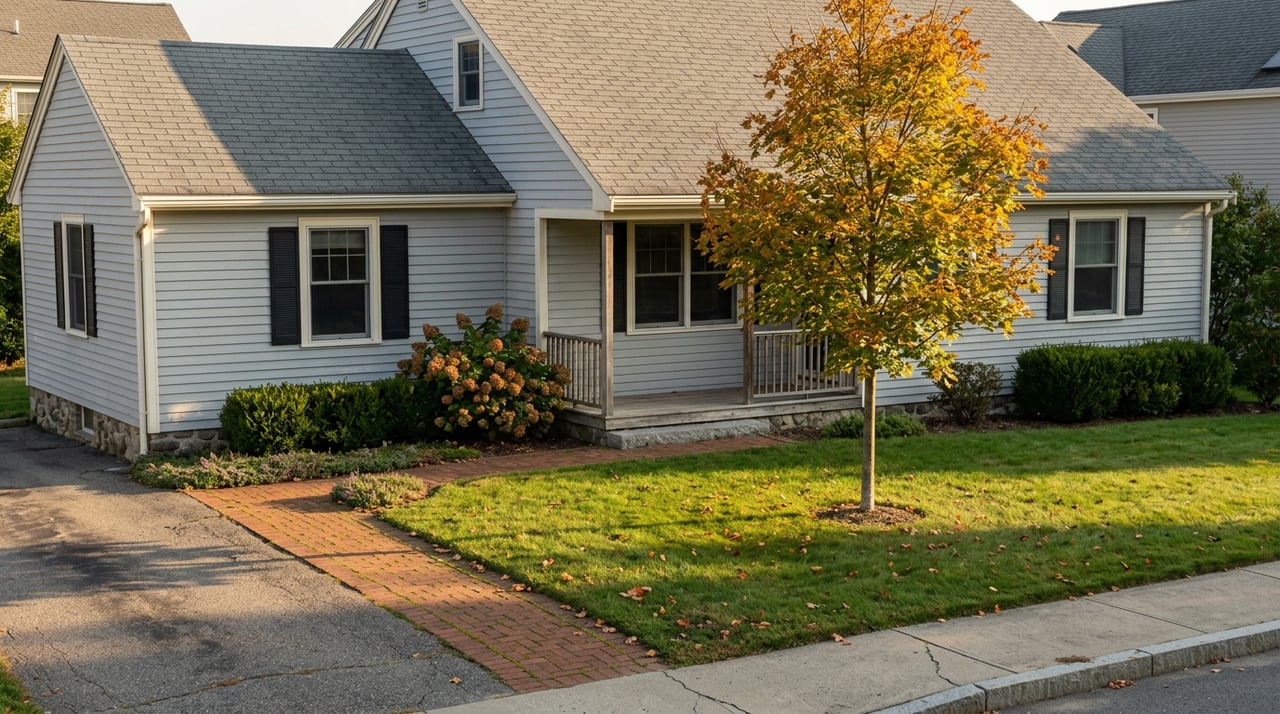
You’ll find a little of everything in Malden. There are many owner-occupied two- and three-family homes, a healthy condo market near transit, older single-family homes, and newer infill condo developments close to the stations.
Typical price ranges (Spring 2024 context):
- Condos: Many 1–2 bedroom units near transit fall roughly in the 300k to 600k band, with larger or newer units above that.
- Single-family homes: Smaller or fixer homes may start in the low-to-mid 500s, while larger and updated homes often range from the 600s to 1M+ depending on size and location.
- Multi-family properties: Two- and three-family buildings often trade in the mid-to-high six figures. Prices vary with condition and rental income potential.
- Rents: One-bedrooms commonly fall in the low-to-mid $2,000s, and two-bedrooms often land in the mid-$2,000s to low $3,000s, depending on building amenities and location.
Pricing moves with market conditions, inventory, and interest rates. For up-to-date regional stats, review the Massachusetts Association of Realtors market reports and ask a local agent to pull current MLS data for the exact property types you have in mind.
Day-to-day life: food and errands
Malden’s dining reflects its diversity. Downtown and key corridors like Pleasant Street and Main Street offer a wide range of Asian cuisines, Latin American options, bakeries, and newer cafés and pubs. You’ll find chain supermarkets and smaller grocers across the city, with larger shopping centers in nearby communities. Many errands can be done within a short walk or drive.
Pros and considerations
Pros
- Orange Line access to downtown Boston.
- Middlesex Fells and strong park access.
- Diverse dining and growing downtown.
- Varied housing options across condos, single-family, and multi-family.
Considerations
- Competition and prices can be higher near transit.
- Parking and traffic can be tight in the core.
- Older homes may require renovation and maintenance planning.
- School performance and safety vary by area, so it pays to research specific blocks.
Who Malden fits well
- You value a short, predictable transit ride to Boston.
- You want quick outdoor access for hikes and runs after work.
- You are exploring condo or multi-family ownership near transit.
- You prefer a city feel with residential streets and neighborhood parks.
Next steps
Visit the neighborhoods at different times of day, ride the Orange Line from both stations, and track current pricing for your target property types. If you want local, hands-on guidance plus strong marketing reach for a sale or purchase, our team is here to help. Connect with Coldwell Banker First Quality Realty for expert neighborhood insight, on-the-ground tours, and a clear plan for your next move.
FAQs
How long is the Orange Line commute from Malden?
- From Malden Center or Oak Grove, many riders reach downtown Boston in roughly 12 to 25 minutes, depending on the station and time of day. Check the Malden Center, Oak Grove, and Orange Line schedule for real-time planning.
What are typical home prices and rents in Malden?
- As a general guide, many condos near transit run about 300k to 600k, single-family homes range from the 500s to 1M+, and 2–3 family buildings often fall in the mid-to-high six figures. One-bedroom rents often land in the low-to-mid $2,000s, and two-bedrooms in the mid-$2,000s to low $3,000s. For current data, see the Massachusetts Association of Realtors market reports and ask an agent for live MLS comps.
Which Malden areas are most walkable versus more residential?
- Downtown/Malden Center and corridors like Pleasant Street offer the most walkable setup. Outside the core, many blocks are more residential, with short drives or bus rides for errands.
How can I research Malden schools and performance?
- Start with the Massachusetts DESE district report cards for test scores and graduation rates, then review district assignment maps and individual school pages for enrollment details.
What should I know about safety when comparing neighborhoods?
- Like many urbanized suburbs, experiences vary by block. Review local police reports and crime maps, talk to neighbors, and visit at different times. The City of Malden website lists public safety resources and departments.
Where can I find city services, parks, and permits?
- The City of Malden website maintains information on parks and recreation, public works, permits, and city events. It is a good starting point for local rules and program details.