Thinking about trading your Boston apartment for a little more space and a yard without giving up city access? You’re not alone. Many Boston buyers look to Melrose for its small‑city vibe, commuter convenience, and classic New England homes. In this guide, you’ll learn what to expect from Melrose housing, commutes, schools, taxes, permits, and the step‑by‑step move from Boston. Let’s dive in.
Why Melrose fits Boston movers
Melrose sits about 7 to 10 miles north of downtown Boston in Middlesex County. It blends a small‑town feel with walkable streets, neighborhood parks, and a lively local center. Many residents work in Boston, so daily commuting is part of the rhythm here.
If you’re moving from Boston, your top goals likely include more living space, a yard, and a sense of community while keeping your commute manageable. Melrose offers a mix of older single‑family homes, multi‑family properties, and some condominiums that can fit different budgets and timelines. The local market generally tracks Greater Boston trends, so planning and pre‑approval are key.
Housing types and what to expect
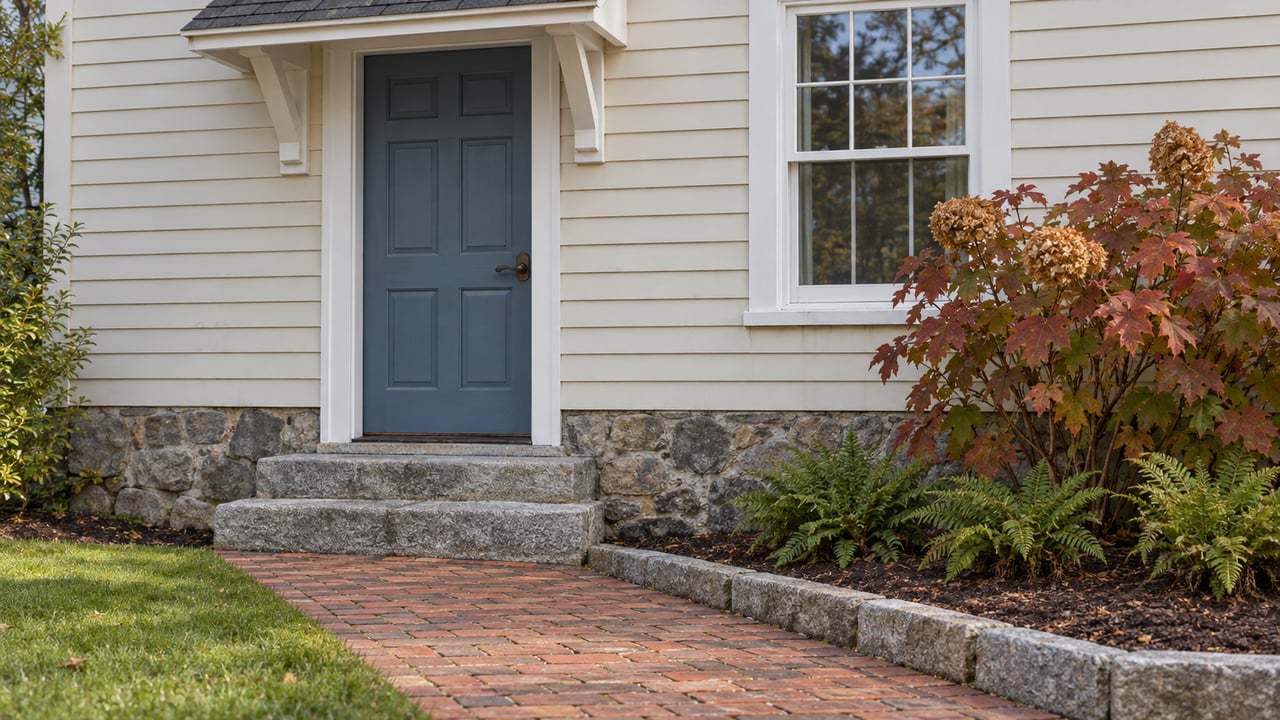
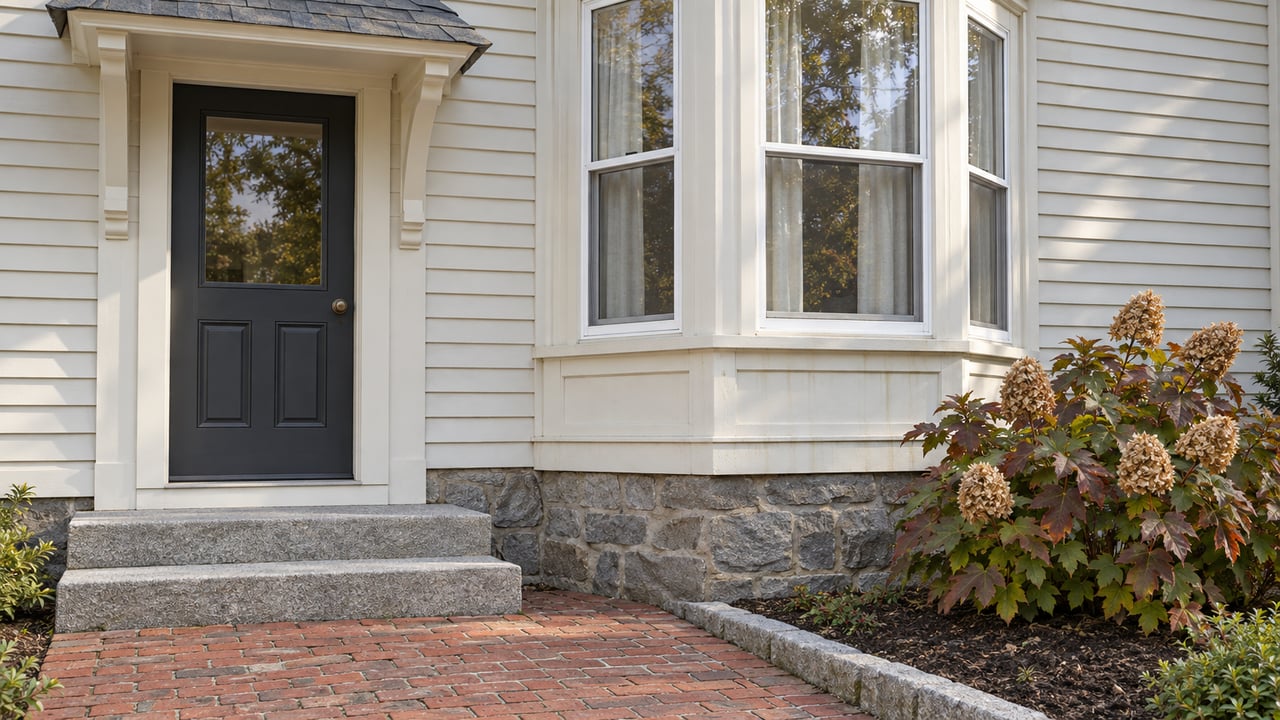
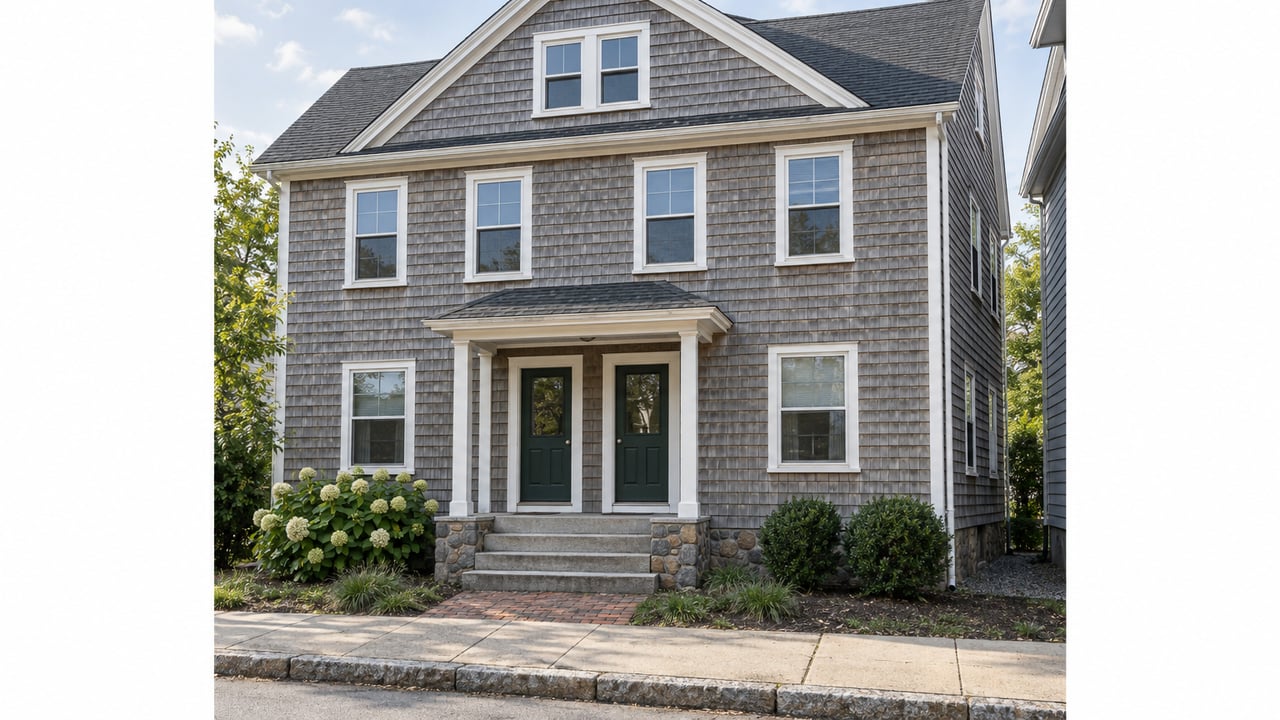
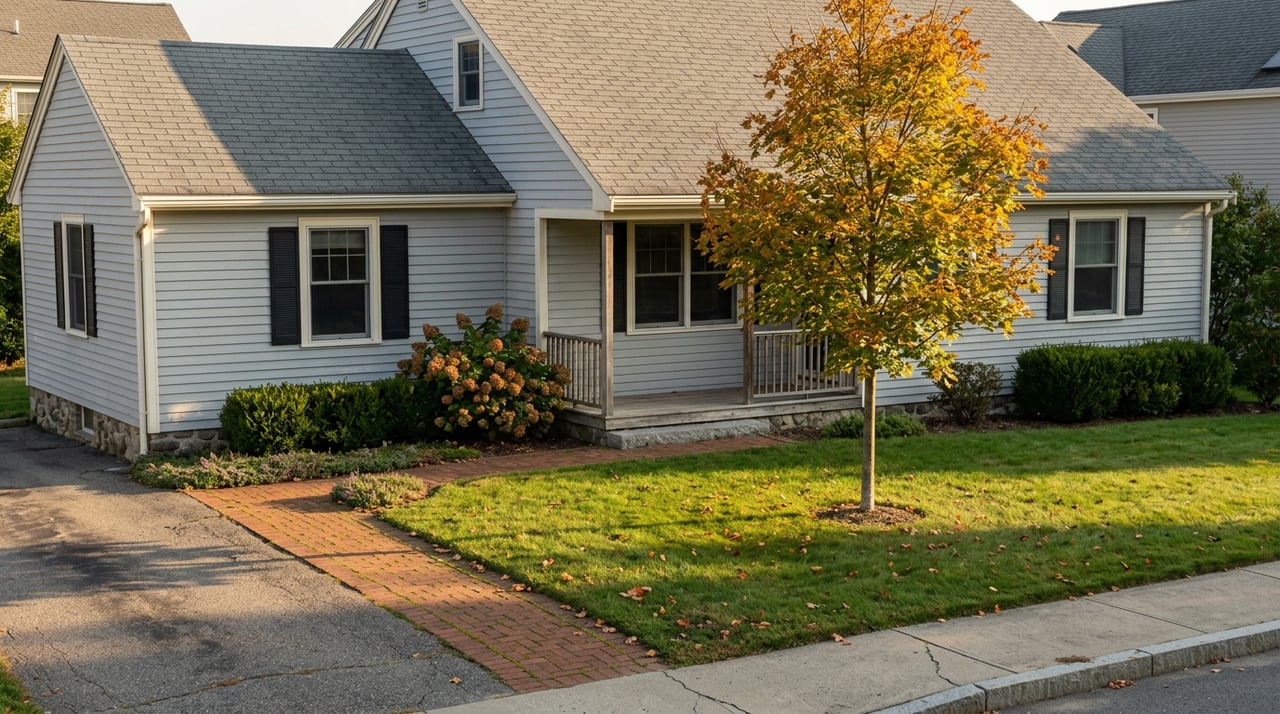
Melrose housing leans historic. You’ll find late‑19th and early‑20th‑century styles like Victorian, Colonial, and Craftsman. Many blocks include duplexes and small multi‑family buildings, and some homes have been converted into condos.
Because homes are older, you should plan for careful inspection. Common findings include lead paint in homes built before 1978, older wiring types, and prior additions or work that may not match today’s codes. If you’re planning renovations, check permit requirements with the City of Melrose building department early.
Neighborhoods at a glance
Melrose has several well‑known micro‑areas that differ by housing mix and walkability. Names you’ll hear include:
- Melrose Center: The downtown core with shops, services, and a commuter hub feel.
- Melrose Highlands: Residential streets near the Highlands commuter rail stop.
- Wyoming Hill: Convenient to transit and local amenities.
- Melrose/Cedar Park area: Near the Cedar Park station and downtown connections.
- East Side: Primarily residential blocks and neighborhood parks.
- West End: Residential streets with access to major routes.
Neighborhood names and boundaries can vary by local use. Review city maps and planning resources to understand exact locations and zoning before you buy.
Commute and transit options
Melrose is served by MBTA commuter rail with multiple stops in the city. Stations commonly referenced include Melrose Highlands, Wyoming Hill, and Melrose/Cedar Park. Schedules and travel times change, so review current MBTA timetables and compare specific origin and destination options.
Driving remains a practical option for many residents. Local arterials connect into routes toward Boston, but traffic varies by time of day. Downtown and near stations may have short‑term parking limits, and residential permit rules can apply on side streets. Confirm current parking policies and any permit requirements with the City of Melrose before you move.
Schools and family services
Melrose Public Schools serve K–12 students, including Melrose High School. Because school performance can change over time, review the latest Massachusetts Department of Elementary and Secondary Education district and school report cards and the Melrose Public Schools website for enrollment, program, and performance details.
For early childhood care, expect a mix of daycare, pre‑K, and private options in Melrose and nearby communities. Availability can be tight during peak months, so start outreach early. The Melrose Public Library and city recreation programs are helpful resources once you arrive.
Inspections and older‑home due diligence
Many Melrose homes predate 1978, so lead paint disclosure and testing considerations are common. Include a lead assessment in your inspection plan where applicable. Radon levels can vary across Massachusetts; a radon test is a smart add‑on during your inspection contingency.
Older homes may also have buried or above‑ground oil tanks. If a property uses oil or previously did, confirm the presence and condition of any tanks and understand removal processes. Most homes in Melrose connect to municipal water and sewer, but verify service for each address.
Taxes, utilities, and permits
Property taxes in Massachusetts are set by each municipality. Your final bill depends on the local tax rate and assessed value for your property. For accurate comparisons between Boston and Melrose, check recent assessments and published tax rates with the City of Melrose assessor.
Plan to set up utilities as part of your move. Electric and gas service are provided by regional utilities that vary by address, while the City of Melrose provides municipal water and sewer. Review city guidance for trash and recycling schedules. If you’re hiring movers or doing renovations, confirm parking and building permit rules with the city’s parking division and building department well in advance.
Buying in Melrose: smart steps
- Get pre‑approved early. Competitive suburban listings move quickly, and a strong pre‑approval helps you act with confidence.
- Align your must‑haves. Trade‑offs often include commute time, home size, yard space, and budget. Decide what you can flex on.
- Budget for inspections and upgrades. In older homes, plan for lead and radon testing, electrical updates, and general maintenance.
- Confirm zoning and permits. If you want to finish a basement, add a deck, or run a home office, check local rules first.
- Use relevant comparables. Melrose micro‑areas differ block by block. Work with a local advisor who knows the inventory and recent sales.
Selling in Boston while buying in Melrose
Coordinating the two sides of your move takes planning. Common strategies include:
- Contingent offers. Make an offer on your Melrose home that depends on selling your Boston property.
- Sell first, then rent short‑term. Close in Boston, then move into temporary housing while you shop in Melrose.
- Bridge financing. If you qualify, a short‑term loan can help you buy before you sell.
- Flexible timelines. Negotiate rent‑backs or extended closings to reduce overlap stress.
Discuss your options with your lender and agent early so you can choose the right path for your finances and timeline.
Renovation and resale planning
If you plan to stay long term, focus on updates that add daily value. Kitchens and baths often drive buyer interest, but in older homes, functional improvements like electrical upgrades, heating systems, and window improvements can matter just as much. Review recent comparable sales to understand which projects tend to pay back in your part of Melrose, and secure permits before you start work.
Moving logistics checklist
Use this timeline to keep your move on track and avoid last‑minute snags.
60–90 days before move
- Define budget and timeline. Get pre‑approved and meet with your agent.
- Research neighborhoods. Compare commute options from Melrose Highlands, Wyoming Hill, and Melrose/Cedar Park areas.
- Plan inspections. Understand typical older‑home findings in Melrose and build them into your offer strategy.
- Contact schools and childcare. Start enrollment and provider outreach early.
- Get mover estimates. Schedule in‑home or virtual quotes and reserve a date.
30 days before move
- Apply for permits. Request any moving truck or street parking permits from the City of Melrose.
- Set up utilities. Schedule electricity, gas, water, sewer, internet, and trash service.
- Address changes. File USPS change of address, update driver’s license and vehicle registration with the RMV, and update voter registration.
- Insurance. Confirm homeowners and any flood or umbrella policies are in place for closing.
Moving week
- Confirm logistics. Reconfirm movers, permits, elevator reservations, and parking.
- Pack essentials. Keep documents, medications, chargers, and a basic toolkit handy.
- Final walk‑through. Test systems, confirm agreed repairs, and document meter readings.
First 30 days in Melrose
- City setup. Review trash and recycling schedules, get or confirm any residential parking rules, and sign up for city alerts.
- Safety checks. Replace locks, test smoke and CO detectors, and schedule any lead, radon, or oil‑tank follow‑ups.
- Explore. Visit neighborhood parks such as Fellsmere Park, the Melrose Public Library, and local shops to get your bearings.
Market approach and strategy
Melrose is part of the Greater Boston market, which means competition tends to track regional patterns. Inventory, mortgage rates, and seasonality will affect your options. To shape the right strategy:
- Monitor active listings and pending sales in your target micro‑areas.
- Stay flexible on timing. Spring and summer can be more competitive; fall and winter may offer selective opportunities.
- Use local comps. Compare homes by style, age, lot size, and proximity to transit to set realistic expectations.
Your next step
Moving from Boston to Melrose is a smart way to gain space and neighborhood feel while staying connected to the city. If you want a local, hands‑on guide from search through closing and move‑in, our boutique team is ready to help. Connect with the neighborhood specialists at Coldwell Banker First Quality Realty to map your plan, preview homes, and align your sale and purchase with confidence.
FAQs
How far is Melrose from Boston and how do I commute?
- Melrose is roughly 7 to 10 miles north of downtown, with MBTA commuter rail stations in the city and driving routes that vary by time of day; review current schedules and traffic for exact times.
What types of homes will I find in Melrose?
- You’ll see many late‑19th and early‑20th‑century single‑family homes, plus duplexes, small multi‑family buildings, and some condo conversions.
Do I need permits for moving trucks in Melrose?
- Many areas require temporary permits or have time‑limited parking; contact the City of Melrose parking division in advance of your move date.
How do property taxes compare between Boston and Melrose?
- Property taxes depend on each city’s rate and your assessed value; check the City of Melrose assessor for current rates and compare using your specific property details.
What should I know about Melrose schools before moving?
- Review Melrose Public Schools information and the Massachusetts DESE school and district report cards for the most up‑to‑date enrollment, programs, and performance data.
What inspections are recommended for older Melrose homes?
- Include lead paint and radon testing, evaluate electrical systems, and check for current or past oil tanks and municipal sewer connections as part of due diligence.