Think condo fees are just “an extra bill”? In East Boston, they can shape your monthly budget, your loan approval, and even your future resale value. If you are weighing a condo near the harbor or a converted triple-decker by the T, understanding these fees helps you buy with confidence. In this guide, you’ll learn what condo fees cover, the East Boston factors that can raise or lower them, and practical steps to evaluate any building before you make an offer. Let’s dive in.
Condo fees, in plain English
Condo fees are monthly assessments paid to your condominium association to fund shared expenses. They cover things like insurance, utilities for common areas, routine upkeep, and reserves for future repairs. Fees vary by building size, age, systems, and amenities. For buyers and sellers, they matter because they affect affordability, loan qualification, and how buyers perceive a building’s condition and management.
Well-run associations align fees with real costs and set aside reserves for big projects. Very low fees can be a red flag if they mask deferred maintenance or underfunded reserves. Very high fees can be acceptable when they reflect robust services and amenities, but they may limit buyer demand in softer markets.
What your fees usually cover
Every association is different, but typical line items include:
- Building and common-area insurance under the master policy
- Common utilities, such as electricity for hallways, water and sewer, and sometimes heat or hot water
- Routine maintenance and repairs, including roofs, exterior, elevators, and mechanical systems
- Landscaping, snow removal, and groundskeeping
- Janitorial services, and in some buildings, concierge or doorman staffing
- Elevator maintenance and inspections
- Professional management, legal, and accounting services
- Reserve fund contributions for future capital projects
- Operating costs for amenities like a gym, pool, or community room
- Parking and storage operations, sometimes billed separately
- Special assessments if regular dues and reserves are not sufficient
Always confirm what is and is not included. For example, some East Boston buildings include heat or hot water, while others use individually metered utilities.
East Boston factors to consider
Building types and amenities
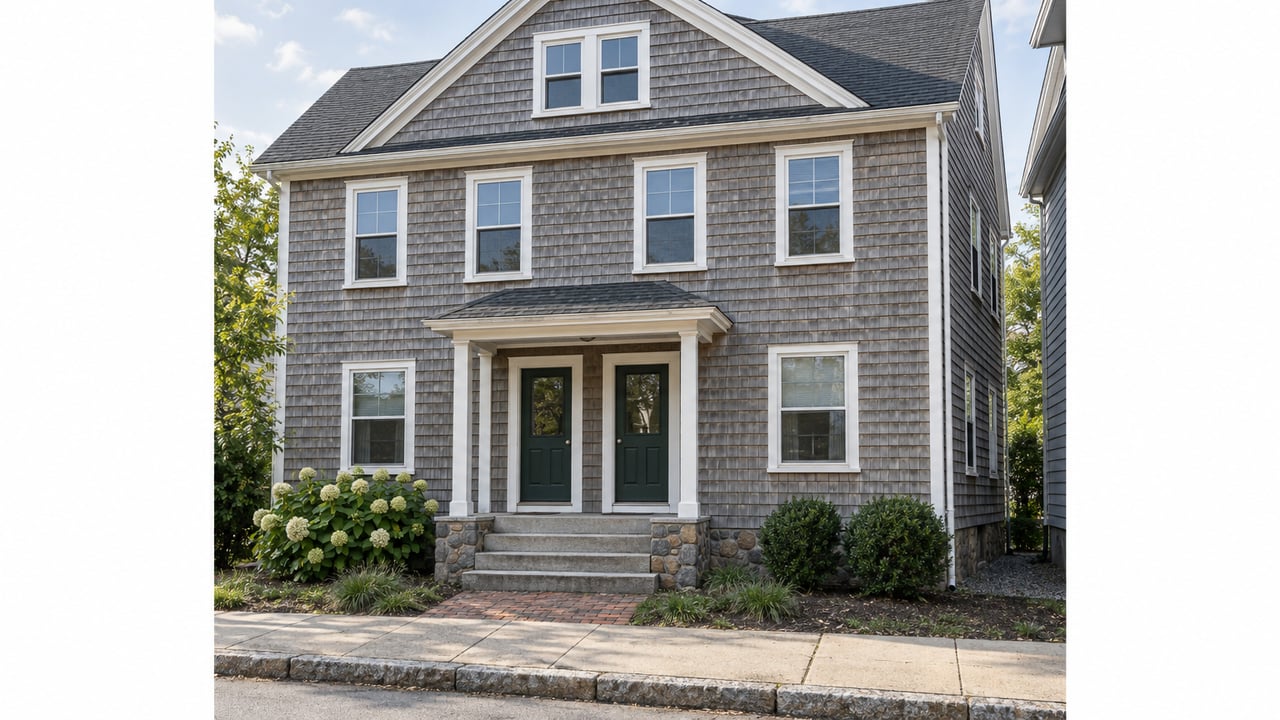
East Boston has a mix of converted multi-family buildings, small associations, and newer mid- or high-rise developments. Smaller, converted buildings often have lower monthly fees but more variability, since a roof or masonry project can require a special assessment. Larger developments usually carry higher dues, which fund elevators, central systems, and amenities, and can be more predictable when reserves are well managed.
Airport proximity and noise mitigation
Some buildings near Logan Airport invest in soundproofing or specialized mechanical systems. These upgrades can affect maintenance budgets and replacement planning. Ask if any noise mitigation equipment, window systems, or HVAC components are part of the building’s long-term capital plan.
Flood and coastal storm risk
Parts of East Boston are coastal or near the harbor, which can mean higher insurance costs. Associations in flood zones may need flood coverage and future resiliency upgrades. Rising insurance premiums and mitigation projects can increase fees or lead to special assessments over time.
Aging buildings and deferred work
Older structures and converted properties are common across the neighborhood. Roofs, façades, and structural elements may be approaching replacement cycles. Reserve contributions and capital plans should match the building’s age and needs.
Massachusetts rules to know
Massachusetts condominiums operate under the Massachusetts Condominium Act, often cited as M.G.L. c. 183A. Each association’s master deed, declaration, bylaws, and rules control how budgets are set, how assessments are allocated, and how reserves are handled. These documents also outline insurance requirements, pet and rental policies, voting rules, and the process for special assessments.
At sale, sellers typically provide condo documents and, if needed, an association-completed condo questionnaire for the buyer’s lender. Associations commonly maintain operating and reserve funds, but funding levels depend on the governing documents. If litigation or major repairs are on the horizon, the board may propose special assessments according to the bylaws.
How fees affect financing and value
Lenders include your condo fee when they evaluate your monthly housing cost and debt-to-income ratio. Some loans require a review of the association’s financial health, delinquency rates, reserves, and any special assessments. Certain programs may need project approval, which can be challenging for very small or poorly managed associations.
Appraisers consider fees as part of the value landscape. Very high fees without matching amenities can weigh on valuation, while reasonable fees that cover necessary services and reserves can support long-term value. For tax purposes, routine condo fees on a primary residence are generally not deductible; special assessments for capital improvements may have specific implications, so consult a tax professional.
Buyer due diligence checklist
Before you commit, request and review the following. Aim for the most recent 12 to 36 months where available.
- Most recent annual budget and any interim updates
- Financial statements and bank statements; audited financials if completed
- Reserve study and current reserve balances, plus how funds are held
- Minutes from association meetings to spot ongoing issues and planned projects
- Master deed, declaration, bylaws, rules, and all amendments
- Master insurance declarations, coverage limits, and deductibles; confirm what your HO-6 policy must cover
- Management contract terms if a management company is engaged
- Notices of pending or recent special assessments and payment schedules
- Details on any litigation, liens, or claims involving the association
- Rental, pet, and owner-occupancy rules
- Parking and storage allocations and any separate fees
- How utilities are billed: master meter vs. individually metered
- Association-completed condo questionnaire and certificate of insurance if your lender requests them
Consider having an attorney review the documents, and get your lender involved early to avoid delays.
Smart ways to compare fees
- Calculate your effective monthly housing cost. Add mortgage principal and interest, property taxes, condo fee, and your HO-6 or flood insurance estimate to see the full picture.
- Normalize by size. Divide the monthly fee by the unit’s square footage to compare dollars per square foot per month across buildings.
- Match fees to services. If a fee includes heat, hot water, parking, or elevator service, a higher number may be reasonable compared with a walk-up that includes fewer services.
- Review the trend. Ask for 3 to 5 years of budget and dues history to spot patterns, stability, or big jumps tied to capital projects.
- Plan for assessments. Ask about upcoming roof, façade, elevator, or resiliency projects and whether a special assessment is likely.
Red flags to watch
- High or rising delinquency rates in dues payments
- Low or nonexistent reserves that do not align with the building’s age and needs
- Recent or frequent special assessments, especially large ones
- Pending or ongoing litigation
- Deferred maintenance or visible wear in common areas
- Rapid management turnover or no professional management for a complex property
- Insurance gaps, high deductibles, or lack of flood insurance where flood risk is present
- Restrictive rules that could limit resale or rental options
Tips for East Boston sellers
- Gather documents early. Provide the full association package promptly to keep buyer financing on track.
- Prepare for questions. Have recent budgets, financials, minutes, and a reserve study ready so buyers and lenders can review quickly.
- Educate buyers on value. If fees are higher, explain what they cover, such as elevator maintenance or flood insurance, and any long-term improvements in progress.
- Price with context. Where upcoming assessments exist, factor them into pricing or consider credits to keep your listing competitive.
Next steps
If East Boston is on your shortlist, the right team helps you decode fees and move forward with clarity. We can help you compare buildings, coordinate document requests, and connect you with trusted lenders and local pros. Whether you are buying your first condo or preparing to sell, you deserve clear guidance and strong negotiation.
Have questions about a specific building or association? Connect with the neighborhood-focused team at Coldwell Banker First Quality Realty to get personalized advice and a plan that fits your goals.
FAQs
What do East Boston condo fees usually include?
- Fees often cover master insurance, common utilities, routine maintenance, management, and reserves, with extras like elevators or gyms increasing costs.
How do condo fees impact my mortgage approval?
- Lenders count your condo fee in monthly housing costs and may review the association’s health, reserves, delinquencies, and any special assessments.
Are condo fees in East Boston negotiable with the seller?
- Fees are set by the association and not negotiable, but you can negotiate purchase price or a credit if upcoming assessments are known.
What documents should I review before buying a condo?
- Get recent budgets, financials, reserve study, meeting minutes, governing documents, insurance declarations, and the lender’s condo questionnaire.
Do condo fees cover my personal belongings and interior finishes?
- Usually not. Master policies cover common elements and the building structure. You’ll need an HO-6 policy for your unit’s interior and personal property.